Latest Product Compliance Regulations in India Every Manufacturer Should Know (2026)

Latest Product Compliance Regulations in India Every Manufacturer Should Know (2026) As India’s manufacturing sector continues to expand globally, Product Compliance Regulations in India have become more critical than ever. Whether you manufacture food products, textiles, chemicals, consumer goods, or industrial materials, ensuring compliance with Indian and international regulations is essential for market access, consumer safety, and brand credibility. Manufacturers today face stricter quality standards, evolving government regulations, and increasing customer expectations. Failing to comply can lead to product recalls, legal penalties, import or export restrictions, and reputational damage. In this guide, we’ll explore the latest Product Compliance Regulations India for 2026, why compliance testing matters, and how partnering with a NABL Accredited Testing Laboratory like ATL Labs helps businesses stay compliant and competitive. Understanding Product Compliance Regulations India Product Compliance Regulations India refer to the legal, technical, and quality requirements that products must meet before being sold or distributed in the Indian market. These regulations ensure products are safe, reliable, environmentally responsible, and fit for consumer use. Depending on the product category, manufacturers may need to comply with regulations established by authorities such as: Food Safety and Standards Authority of India (FSSAI) Bureau of Indian Standards (BIS) Central Pollution Control Board (CPCB) Ministry of Environment, Forest and Climate Change (MoEFCC) Legal Metrology Department Export Inspection Council (EIC) Compliance requirements vary across industries, making product compliance testing in India an essential step before product launch. Why Product Compliance Testing in India Matters Manufacturers often view compliance testing as a regulatory requirement. In reality, it provides several strategic business advantages. Ensures Consumer Safety Testing identifies harmful contaminants, chemical residues, heavy metals, microbiological hazards, and product defects before products reach customers. Meets Regulatory Requirements Compliance testing helps businesses satisfy mandatory Indian regulations and avoid penalties or product recalls. Supports Export Opportunities International buyers often require products tested by a NABL Accredited Testing Laboratory before accepting shipments. Protects Brand Reputation Consistently compliant products increase customer confidence and reduce business risks. Latest Product Compliance Regulations India in 2026 Several regulatory developments continue to shape manufacturing and quality assurance practices. Increased Focus on Product Traceability Manufacturers are expected to maintain better documentation throughout production, testing, packaging, and distribution processes. Stronger Quality Control Requirements Quality verification is becoming more rigorous across food, water, textiles, chemicals, and industrial products. Greater Importance of Accredited Testing Government agencies and private organizations increasingly prefer reports issued by a NABL Accredited Testing Laboratory, ensuring accurate and reliable testing. Enhanced Environmental Compliance Industries are expected to monitor wastewater, emissions, hazardous materials, and environmental impact more closely. Higher Export Compliance Standards Businesses exporting products must comply with destination-country regulations in addition to Indian standards. Industries That Must Follow Product Compliance Regulations India Almost every manufacturing sector requires compliance testing. Food & Beverage Industry Food manufacturers must comply with FSSAI regulations through microbiological, chemical, nutritional, and contaminant testing. Water Industry Drinking water, packaged water, and industrial water require comprehensive quality analysis. Textile Industry Textile products undergo testing for fiber composition, color fastness, chemical safety, and performance. Chemical Manufacturing Manufacturers verify product composition, contaminants, heavy metals, additives, and purity through laboratory testing. Environmental Services Environmental monitoring includes testing air, soil, wastewater, and industrial effluents to meet regulatory requirements. Role of a NABL Accredited Testing Laboratory Choosing a NABL Accredited Testing Laboratory is one of the most important decisions a manufacturer can make. NABL accreditation demonstrates that a laboratory follows internationally recognized quality systems and validated testing methods. This ensures reliable, accurate, and repeatable results. Working with an accredited laboratory provides: High testing accuracy Technically competent professionals Internationally accepted test reports Faster regulatory approvals Greater customer confidence ATL Labs provides accredited testing services that support manufacturers across multiple industries. Testing and Certification India: Why Both Matter Many businesses confuse testing with certification. Testing verifies whether a product meets required quality and safety standards. Certification confirms compliance based on successful testing and regulatory requirements. Together, Testing and certification India help manufacturers: Launch products confidently Meet customer expectations Support exports Demonstrate product quality Reduce legal risks Product Compliance Testing Process A professional product compliance testing in India process generally includes: Sample Collection Representative product samples are collected for laboratory evaluation. Laboratory Analysis Experts perform physical, chemical, microbiological, and performance testing depending on product type. Result Verification Laboratory specialists validate test data using standardized methods. Test Report Generation Manufacturers receive detailed reports that support regulatory compliance and quality assurance. Regulatory Support Testing reports can be used during certification and compliance submissions where applicable. Common Compliance Challenges Manufacturers Face Many businesses encounter similar obstacles: Frequently changing regulations Incomplete product documentation Delayed testing schedules Incorrect sample preparation Choosing non-accredited laboratories Lack of awareness about industry standards Partnering with experienced testing professionals helps reduce these risks. Why Choose Analytical Technology Laboratory? Analytical Technology Laboratory is a trusted NABL Accredited Testing Laboratory offering comprehensive product compliance testing in India for manufacturers, exporters, and businesses across multiple sectors. Our services include: Food Testing Water Testing Chemical Testing Textile Testing Environmental Testing Marine & Aquaculture Testing Inspection Services Using advanced laboratory equipment and qualified professionals, we deliver accurate, timely, and reliable testing solutions that help businesses meet national and international standards. Frequently Asked Questions What are Product Compliance Regulations India? These are mandatory legal and technical standards that products must satisfy before being sold or distributed in India. Why is product compliance testing important? It ensures product safety, regulatory compliance, quality assurance, and customer confidence while reducing business risks. What is a NABL Accredited Testing Laboratory? A NABL Accredited Testing Laboratory is officially recognized for technical competence and adherence to internationally accepted testing standards. Which industries require compliance testing? Food, water, textiles, chemicals, pharmaceuticals, environmental services, manufacturing, consumer products, and export industries commonly require compliance testing. How often should products be tested? Testing frequency depends on regulatory requirements, production changes, customer specifications, and product type. Conclusion Keeping up with Product Compliance Regulations India is no longer optional it’s essential for sustainable business growth. As regulations evolve in 2026, manufacturers must prioritize quality assurance, product
Avoid Costly Mistakes: Pick the Right NABL Accredited Food Testing Laboratory

Avoid Costly Mistakes: Pick the Right NABL Accredited Food Testing Laboratory Food safety is no longer just a regulatory requirement, it is a business necessity. Consumers expect safe, high-quality food products, while regulatory authorities demand strict compliance with food safety standards. For food manufacturers, exporters, importers, restaurants, and startups, selecting the right NABL Accredited Labs for Food Testing can make the difference between business success and costly setbacks. An unreliable laboratory may produce inaccurate results, delay product launches, or even expose your business to legal penalties and product recalls. On the other hand, partnering with a trusted Food testing laboratory in India ensures your products meet regulatory standards, maintain customer confidence, and protect your brand reputation. In this guide, you’ll learn how to identify the right laboratory, avoid common mistakes, and understand why accreditation matters for long-term business success. Why Choosing NABL Accredited Labs for Food Testing Matters The National Accreditation Board for Testing and Calibration Laboratories (NABL) accredits laboratories that demonstrate technical competence, quality management systems, and internationally recognized testing standards. When you choose NABL Accredited Labs for Food Testing, you gain confidence that your samples are tested using validated methods, calibrated equipment, and qualified professionals. Benefits of NABL Accreditation Accurate and reliable testing reports Internationally accepted testing methods Better compliance with FSSAI regulations Reduced risk of product recalls Increased trust among customers and regulatory authorities Improved export opportunities For food manufacturers, these advantages translate into better product quality and reduced business risks. Common Mistakes Businesses Make When Choosing a Food Testing Laboratory Many businesses focus only on testing costs and overlook factors that directly affect product quality and compliance. 1. Choosing Price Over Quality Selecting the cheapest laboratory often leads to inaccurate testing, repeated analyses, and delayed product approvals. Instead, evaluate the laboratory’s accreditation, expertise, and testing capabilities before considering pricing. 2.Ignoring NABL Accreditation Not every laboratory follows internationally accepted quality standards. Always verify whether the laboratory is among recognized NABL Accredited Labs for Food Testing before submitting your samples. Accreditation ensures consistency, technical competence, and quality assurance throughout the testing process. 3.Overlooking FSSAI Compliance Working with an FSSAI approved food testing lab helps businesses comply with food safety regulations and avoid unnecessary legal complications. An experienced laboratory understands current regulatory requirements and performs testing according to applicable standards. 4.Selecting a Laboratory Without Required Testing Capabilities Different food products require different analyses. For example: Microbiological Testing Chemical Analysis Heavy Metal Testing Nutritional Analysis Shelf-Life Studies Allergen Testing Pesticide Residue Analysis Ensure your chosen laboratory offers all required testing under one roof. 5.Ignoring Turnaround Time Delays in laboratory reports can postpone product launches and impact customer commitments. Before selecting a laboratory, ask about: Sample processing time Report delivery schedule Priority testing options Emergency testing services Reliable laboratories maintain efficient workflows without compromising accuracy. How to Choose the Best NABL Accredited Food Testing Laboratory Choosing the right testing partner requires evaluating more than just certifications. Check NABL Accreditation Scope Every accredited laboratory has a defined scope of accreditation. Verify that your required tests are included within the laboratory’s approved scope. Evaluate Industry Experience An experienced Food testing laboratory in India understands industry-specific challenges across sectors such as: Dairy Bakery Beverages Packaged Foods Spices Edible Oils Seafood Meat Products Ready-to-Eat Foods Experience improves testing accuracy and reporting quality. Assess Laboratory Infrastructure Modern laboratories invest in advanced analytical instruments such as: LC-MS/MS GC-MS/MS ICP-MS HPLC UV Spectrophotometers Microbiology Laboratories Advanced equipment enables precise detection of contaminants, additives, toxins, and residues. Verify Qualified Scientists Reliable laboratories employ: Food Scientists Microbiologists Chemists Quality Analysts Instrument Specialists Their expertise ensures every sample is analyzed according to validated scientific methods. Why Pesticide Residue Analysis Is Critical One of the most important food safety tests today is Pesticide Residue Analysis. Pesticide residues may remain on agricultural products due to improper farming practices or excessive pesticide application. Testing helps identify residues that exceed permissible limits established by regulatory authorities. Food Products Commonly Tested Fruits Vegetables Cereals Pulses Tea Coffee Spices Rice Herbs Processed Foods Accurate Pesticide Residue Analysis protects both consumers and manufacturers from significant health and regulatory risks. Importance of Working with an FSSAI Approved Food Testing Lab An FSSAI approved food testing lab supports businesses in meeting India’s food safety regulations by conducting scientifically validated analyses. These laboratories help businesses: Maintain product quality Meet labeling requirements Verify nutritional values Detect contaminants Support product registrations Facilitate regulatory compliance Partnering with an accredited laboratory also simplifies audits and inspections by providing credible analytical reports. Key Questions to Ask Before Selecting a Food Testing Laboratory Before finalizing your laboratory partner, consider asking: Is the laboratory NABL accredited? Is it an FSSAI approved food testing lab? What testing methods are used? Does the laboratory offer Pesticide Residue Analysis? What is the average turnaround time? Are reports accepted by regulatory authorities? Can the laboratory handle bulk sample volumes? Does it provide technical consultation? Choosing a laboratory that answers these questions confidently helps reduce operational risks and ensures dependable testing outcomes. Why Analytical Technology Laboratory Is a Trusted Choice for Food Manufacturers Choosing the right testing partner is about more than accreditation; it’s about reliability, technical expertise, turnaround time, and customer support. Analytical Technology Laboratory is committed to helping food manufacturers maintain quality, comply with regulations, and protect their brand reputation through comprehensive food testing services. Whether you’re launching a new product, validating raw materials, or ensuring batch consistency, ATL Labs provides dependable testing backed by scientific expertise and modern laboratory infrastructure. Why Food Manufacturers Should Never Skip Laboratory Testing Some businesses assume routine testing is unnecessary if their manufacturing process is already controlled. However, contamination can occur at multiple stages, including sourcing, processing, packaging, storage, or transportation. Regular testing helps manufacturers: Prevent food safety incidents Reduce customer complaints Avoid expensive recalls Strengthen quality management systems Improve consumer trust Meet retailer and export requirements Investing in testing today can prevent significant financial and reputational losses in the future. Frequently Asked Questions (FAQ) What is a NABL Accredited Food Testing Laboratory? A
Why Businesses Trust Professional Food Testing Services in Coimbatore?

Why Businesses Trust Professional Food Testing Services in Coimbatore? Food safety has become a top priority for manufacturers, restaurants, exporters, retailers, and consumers alike. Whether you’re launching a new food product or maintaining the quality of an established brand, reliable laboratory testing is essential to ensure compliance, safety, and consumer confidence. This is why many businesses choose food testing services in Coimbatore. With access to modern laboratories, experienced professionals, and internationally recognized testing standards, companies can verify product quality while meeting regulatory requirements. In this article, we’ll explore why professional food testing matters, how to choose the right laboratory, and why partnering with a trusted testing provider helps businesses grow with confidence. Why Are Food Testing Services in Coimbatore Trusted by Businesses? Businesses across Tamil Nadu rely on food testing services in Coimbatore because they provide accurate analytical results, faster turnaround times, and support for regulatory compliance. Professional laboratories help businesses: Ensure food safety Meet FSSAI requirements Improve product quality Reduce product recall risks Build consumer confidence Support domestic and export markets Choosing a trusted laboratory allows manufacturers to make informed decisions backed by scientific evidence. What Do Professional Food Testing Services Include? Modern food testing laboratories provide a wide range of analytical services tailored to different industries. Common services include: Chemical Analysis Chemical testing identifies product composition and verifies regulatory compliance by analyzing: Moisture Protein Fat Ash Preservatives Additives Microbiological Testing Microbiological testing detects harmful microorganisms such as: Salmonella E. coli Yeast Mold Coliform bacteria This testing helps ensure products are safe before reaching consumers. Nutritional Analysis Laboratories verify nutritional information displayed on food labels, helping businesses comply with labeling regulations. Food Adulteration Testing Food adulteration testing identifies unauthorized substances that may compromise product safety and quality. Shelf Life Studies Shelf-life testing helps manufacturers determine product stability and establish accurate expiry dates. Why Choose a NABL Accredited Food Testing Lab? One of the most important factors when selecting a laboratory is accreditation. A NABL Accredited Food Testing Lab has demonstrated technical competence under internationally recognized standards such as ISO/IEC 17025. Benefits include: Reliable test results Standardized testing procedures Qualified technical experts Calibrated laboratory equipment Internationally accepted reports Improved customer confidence Working with an accredited laboratory helps businesses reduce compliance risks and maintain consistent product quality. Why Local Businesses Prefer Food Testing Services in Coimbatore Coimbatore is home to a growing ecosystem of food manufacturers, exporters, restaurants, and processing units. Choosing a local laboratory offers several advantages: Faster Turnaround Time Nearby laboratories reduce transportation delays and enable quicker decision-making. Expert Technical Support Local laboratories understand regional industries and provide guidance based on applicable testing requirements. Convenient Sample Submission Businesses can submit samples more efficiently and communicate directly with laboratory professionals. Cost-Effective Operations Reduced logistics costs and faster reporting help improve operational efficiency. What Is Famous in Coimbatore for Food? Coimbatore is known for its rich culinary heritage and thriving food manufacturing sector. Some of the city’s well-known food specialties include: Kongunadu cuisine South Indian snacks Idli and dosa products Traditional sweets Bakery products Spices Edible oils Ready-to-eat foods Packaged food products Dairy products With such a diverse food ecosystem, maintaining quality through professional laboratory testing is essential for businesses serving both local and global markets. Best Practices for Choosing a Food Testing Laboratory Before selecting a laboratory, consider the following: NABL Accreditation Industry experience Testing capabilities Modern analytical instruments Turnaround time Transparent reporting Technical support Customer service A reliable testing partner contributes to long-term quality assurance and regulatory success. Common Mistakes Businesses Should Avoid Avoid these common errors when selecting laboratory services: Choosing based only on price Ignoring accreditation Delaying routine testing Skipping microbiological analysis Not maintaining testing records Using incomplete test reports Regular testing helps prevent costly quality issues before products reach the market. Why Analytical Technology Laboratory Is a Trusted Choice for Food Testing Services in Coimbatore Businesses trust Analytical Technology Laboratory because we combine scientific expertise, advanced laboratory infrastructure, and a customer-focused approach to deliver reliable testing solutions. Our services are designed to help food manufacturers, exporters, restaurants, and processing industries maintain quality, comply with regulatory standards, and make informed decisions with confidence. Whether you require routine food analysis, microbiological testing, nutritional analysis, or specialized testing, our experienced team is committed to delivering accurate and timely results. Get Reliable Food Testing Services in Coimbatore Choosing the right laboratory is an investment in your product quality, brand reputation, and customer trust. If you’re looking for dependable food testing services in Coimbatore, ATL Labs is here to support your business with professional testing solutions and expert guidance. 📞 Call Now: +91 95008 95001 Frequently Asked Questions Why are food testing services important? Food testing ensures products are safe, compliant, and meet quality standards before reaching consumers. Why should businesses choose a NABL Accredited Food Testing Lab? Accredited laboratories provide technically validated, reliable, and internationally recognized testing results. Are FSSAI Food Testing Services mandatory? Food businesses may require laboratory testing to demonstrate compliance with applicable FSSAI regulations, depending on the product and regulatory requirements. How long does food testing usually take? The turnaround time varies depending on the type of analysis, with many routine tests completed within a few working days. Can food testing improve customer trust? Yes. Accurate laboratory testing helps businesses verify product claims, maintain quality, and strengthen consumer confidence.
Latest FSSAI Regulations for Seafood Testing in India (2026)
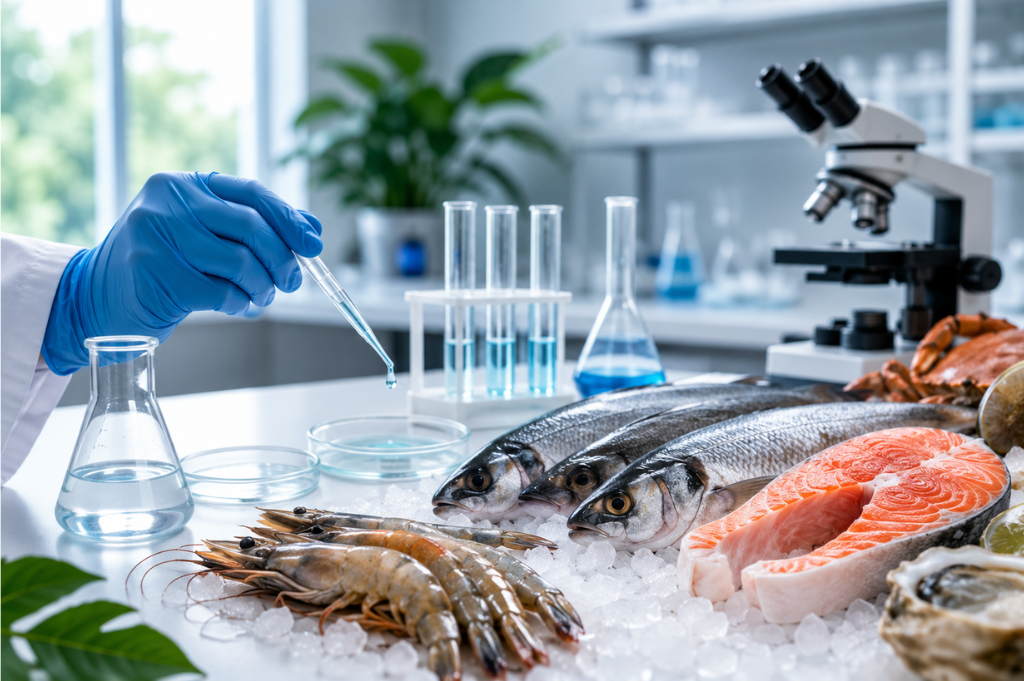
Latest FSSAI Regulations for Seafood Testing in India (2026) India is one of the world’s leading exporters of seafood, supplying fish, shrimp, crab, and other marine products to international markets. As consumer awareness and food safety standards continue to evolve, seafood manufacturers and exporters must ensure their products meet stringent quality and safety requirements. Partnering with a trusted Seafood Testing Laboratory in India is essential for maintaining compliance, protecting public health, and strengthening export opportunities. Regular laboratory testing helps identify microbiological, chemical, and heavy metal contaminants before products reach consumers. It also supports food businesses in meeting FSSAI requirements and international buyer expectations. Why Seafood Testing Is Important Seafood is highly nutritious but also highly perishable. Without proper quality control, contamination can occur during harvesting, processing, storage, or transportation. Laboratory testing helps businesses verify product safety and reduce risks before products enter the market. Routine seafood testing helps businesses: Meet food safety regulations Improve product quality Protect consumer health Reduce export rejection Strengthen brand reputation Build customer confidence Working with a reliable Seafood Testing Laboratory in India helps manufacturers maintain consistent quality while meeting regulatory expectations. Understanding FSSAI Requirements for Seafood Testing The Food Safety and Standards Authority of India (FSSAI) establishes food safety standards to protect consumers and ensure product quality. Seafood businesses are expected to implement proper food safety practices and verify product quality through laboratory analysis where applicable. Routine testing supports compliance by helping businesses monitor: Microbiological quality Chemical contaminants Heavy metal contamination Antibiotic residues General food quality parameters Testing reports also support internal quality assurance and customer confidence. Heavy Metal Testing for Seafood One of the most important aspects of seafood quality control is Heavy Metal Testing for Seafood. Marine products can absorb heavy metals from water and the surrounding environment. Regular testing helps identify contamination and supports food safety compliance. Common heavy metals that may be monitored include: Mercury Lead Cadmium Arsenic Routine testing helps seafood processors and exporters demonstrate product quality while reducing regulatory and commercial risks. Key Seafood Testing Parameters A professional NABL Seafood Testing Laboratory India performs multiple analyses depending on the product type and customer requirements. Microbiological Testing Checks for microorganisms that may affect food safety and shelf life. Heavy Metal Testing Detects heavy metals that may accumulate in seafood products. Chemical Analysis Evaluates important chemical quality parameters to support food safety and product consistency. Antibiotic Residue Testing Helps verify compliance with customer specifications and applicable food safety requirements. Shelf Life Testing Assesses product stability under recommended storage conditions. Why Choose a NABL Seafood Testing Laboratory India? Selecting a NABL Seafood Testing Laboratory India provides confidence that testing is performed using validated methods and recognized quality systems. Benefits include: Accurate analytical results Qualified laboratory professionals Advanced testing instruments Reliable reporting Quality-assured laboratory processes For seafood manufacturers and exporters, choosing an accredited laboratory helps strengthen quality assurance and supports regulatory compliance. Who Needs Seafood Testing? Seafood testing is valuable for: Seafood processors Fish exporters Shrimp exporters Aquaculture businesses Cold storage facilities Seafood importers Food manufacturers Retail seafood brands Regular testing helps these businesses maintain product quality and meet customer expectations. Choosing the Right Seafood Testing Laboratory in India Selecting the right Seafood Testing Laboratory in India is essential for obtaining accurate, reliable, and timely results. Before choosing a laboratory, consider the following factors: NABL Accreditation for recognized quality standards Advanced Testing Equipment such as LC-MS/MS, GC-MS/MS, and ICP-MS Experienced Scientists with expertise in seafood analysis Comprehensive Testing Services, including microbiological, chemical, heavy metal, and antibiotic residue testing Fast Turnaround Time to support production and export schedules A reliable laboratory helps businesses meet regulatory requirements while maintaining product quality and customer trust. Domestic vs Export Seafood Testing Domestic Market Export Market Supports FSSAI compliance Meets importing country requirements Ensures food safety Prevents export shipment rejection Improves product quality Satisfies international buyers Builds consumer confidence Supports global market access For exporters, routine laboratory testing is essential to meet buyer specifications and maintain uninterrupted international trade. Why Choose Analytical Technology Laboratory? If you’re looking for a trusted Seafood Testing Laboratory in India, Analytical Technology Laboratory offers comprehensive seafood testing services to support manufacturers, exporters, and seafood processors. Why Analytical Technology Laboratory? NABL-accredited laboratory Advanced analytical testing facilities Experienced scientific professionals Accurate and reliable reports Quick turnaround time Technical support for food safety compliance As one of the Top Seafood Testing Labs in India, ATL Labs helps businesses maintain product quality and comply with national and international food safety standards. Best Practices for Seafood Businesses To ensure seafood safety and compliance: Source seafood from approved suppliers. Maintain hygienic processing and storage conditions. Conduct regular microbiological and Heavy Metal Testing for Seafood. Verify finished products before dispatch. Keep laboratory reports for quality audits. Partner with a trusted NABL Seafood Testing Laboratory India for routine testing. These practices help reduce risks, improve product quality, and strengthen customer confidence. Conclusion Seafood testing plays a vital role in protecting consumer health, maintaining product quality, and supporting regulatory compliance. As food safety expectations continue to evolve, partnering with a trusted Seafood Testing Laboratory in India helps manufacturers and exporters meet quality standards while building confidence among customers and global buyers. Choosing a NABL Seafood Testing Laboratory India ensures accurate testing, dependable reports, and professional technical support. Whether you supply the domestic market or export seafood internationally, regular testing is an investment in quality, compliance, and long-term business success. 📞 Call Now: +91 95008 95001 Frequently Asked Questions What is seafood testing? Seafood testing is laboratory analysis performed to evaluate the safety, quality, and compliance of fish, shrimp, crab, and other marine products. Why is seafood testing important? It helps identify microbiological, chemical, and heavy metal contaminants, ensuring food safety and supporting regulatory compliance. What is Heavy Metal Testing for Seafood? Heavy metal testing detects contaminants such as mercury, lead, cadmium, and arsenic that may be present in seafood products. Why choose a NABL Seafood Testing Laboratory India? NABL-accredited laboratories use validated testing methods, qualified professionals, and quality management systems to
Latest Food Safety Regulations for Pesticide Residue Testing in India (2026 Guide)
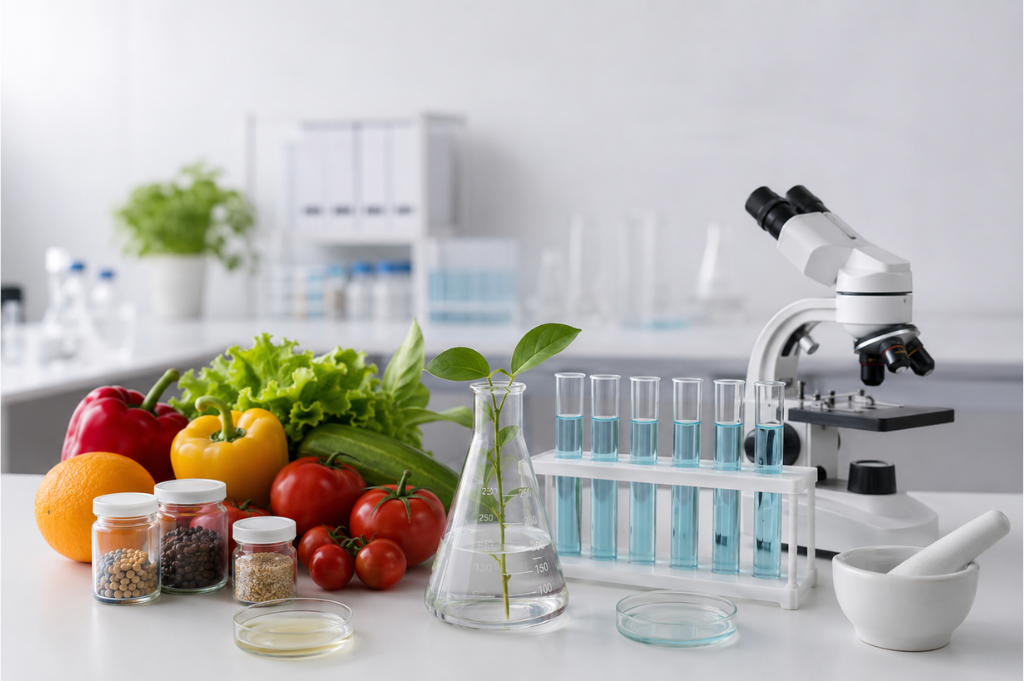
Latest Food Safety Regulations for Pesticide Residue Testing in India (2026 Guide) Food safety is becoming increasingly important for food manufacturers, exporters, and retailers across India. As regulatory requirements continue to evolve, pesticide residue testing has become essential for ensuring product safety, meeting FSSAI Food Testing requirements, and maintaining consumer confidence. Choosing a trusted Pesticide Residue Testing Laboratory India helps businesses comply with quality standards while protecting their brand reputation. Why Pesticide Residue Testing Matters Pesticides protect crops from pests and diseases, but improper use can leave harmful residues in food. Regular testing helps businesses: Meet food safety regulations Protect consumer health Prevent product recalls Support export compliance Improve product quality Build brand trust Routine testing is a key part of modern food quality management. Understanding Maximum Residue Limits (MRLs) MRLs are the maximum permitted levels of pesticide residues allowed in food products. Laboratory analysis verifies whether residue levels comply with applicable standards. Regular monitoring helps food businesses maintain compliance and reduce regulatory risks. Food Products That Commonly Require Pesticide Residue Testing Many food products benefit from routine pesticide residue analysis, particularly those intended for domestic distribution or export. These include: Fruits and vegetables Cereals and grains Pulses Spices Tea and coffee Herbs Processed foods Agricultural commodities Testing these products helps businesses comply with food safety requirements and satisfy customer expectations. How Is Pesticide Residue Testing Performed? Modern NABL Food Testing Laboratory India facilities use advanced analytical instruments capable of detecting very small quantities of pesticide residues. The testing workflow generally includes: Sample Collection Representative samples are collected following appropriate procedures to minimize contamination and ensure reliable results. Sample Preparation Food samples are prepared using standardized extraction and cleanup techniques suitable for the product type. Instrumental Analysis Advanced laboratory instruments such as LC-MS/MS and GC-MS/MS are commonly used to identify and quantify pesticide residues with high sensitivity. Quality Verification Analytical quality control measures are applied throughout the testing process to help ensure reliable and reproducible results. Test Report After analysis, the laboratory issues a report indicating the pesticides analyzed and the measured results. Why Choose a NABL Food Testing Laboratory India? Selecting a NABL Food Testing Laboratory India ensures reliable testing using validated methods and advanced analytical instruments. Benefits include: Accurate test results Experienced technical experts Modern laboratory facilities Reliable reporting Quality-assured testing Industries That Benefit from Pesticide Residue Testing Testing is valuable across multiple sectors, including: Food manufacturers Food processors Agricultural producers Spice exporters Tea manufacturers Coffee processors Retail food brands Importers and exporters Government procurement agencies Hospitality and institutional food suppliers As regulatory expectations continue to evolve, routine testing has become an important part of responsible food quality management. How to Choose the Right Pesticide Residue Testing Laboratory in India Selecting the right Pesticide Residue Testing Laboratory India is just as important as conducting the test itself. The accuracy of laboratory results directly impacts regulatory compliance, customer confidence, and business reputation. Before choosing a laboratory, consider the following factors: 1. NABL Accreditation Always prefer a NABL Food Testing Laboratory India that is accredited for the required scope of testing. Accreditation demonstrates technical competence and adherence to recognized quality management systems. 2. Advanced Testing Infrastructure A well-equipped laboratory should use modern analytical instruments such as LC-MS/MS and GC-MS/MS to detect multiple pesticide residues accurately and efficiently. 3. Experienced Technical Team A skilled team of scientists and analysts ensures that samples are handled correctly and test results are reliable. 4. Comprehensive Testing Services Choose a laboratory that can provide multiple food safety testing services under one roof, including: Pesticide Residue Testing Microbiological Testing Heavy Metal Testing Nutritional Analysis Shelf Life Testing Water Testing Food Contaminant Analysis This simplifies compliance and saves valuable time. 5. Timely Reporting Fast turnaround times help manufacturers avoid production delays and meet customer commitments, especially for export shipments. Why Regular Pesticide Residue Testing Is a Smart Business Investment Many businesses view laboratory testing as a regulatory expense. In reality, it is an investment in product quality and long-term business growth. Routine testing helps businesses: Reduce the risk of product recalls Maintain consistent product quality Strengthen customer trust Support FSSAI compliance Improve export readiness Protect brand reputation Minimize financial losses due to non-compliance By incorporating regular testing into a quality management program, food businesses can identify potential issues early and take corrective actions before products reach the market. Pesticide Residue Testing: Domestic vs Export Requirements Domestic Market Export Market Focuses on applicable Indian food safety requirements May require compliance with destination-country regulations Supports consumer safety and regulatory compliance Supports international buyer requirements Routine testing improves quality assurance Often requires stricter documentation and testing protocols Helps reduce market complaints Helps avoid shipment rejection and delays For exporters, laboratory testing plays a critical role in demonstrating compliance with buyer specifications and international food safety expectations. Why Analytical Technology Laboratory Is Your Trusted Testing Partner When selecting among the Top food testing labs in India, businesses should look for expertise, technical capabilities, and a commitment to quality. Analytical Technology Laboratory provides professional food testing services designed to support manufacturers, exporters, food processors, retailers, and agricultural businesses. Our strengths include: NABL-accredited testing capabilities Experienced laboratory professionals Advanced analytical instruments Accurate and reliable test reports Timely turnaround Customer-focused technical support Whether you need routine quality testing or support for regulatory compliance, Analytical Technology Laboratory is committed to delivering dependable laboratory solutions. Best Practices for Food Businesses To strengthen food safety and compliance, businesses should: Source raw materials from reliable suppliers. Maintain proper pesticide usage records where applicable. Test high-risk raw materials periodically. Verify finished products before market release. Monitor supplier quality through regular audits. Keep laboratory reports for compliance documentation. Review changing food safety requirements regularly. Partner with a trusted testing laboratory for ongoing support. Implementing these practices can significantly reduce compliance risks while improving overall product quality. Conclusion Pesticide residue testing is an essential part of food safety, quality assurance, and regulatory compliance. Working with a trusted Pesticide Residue Testing Laboratory India helps businesses meet food safety requirements, protect consumers,
Water Testing Laboratory Near Me in Tamil Nadu: How to Find a Trusted Lab
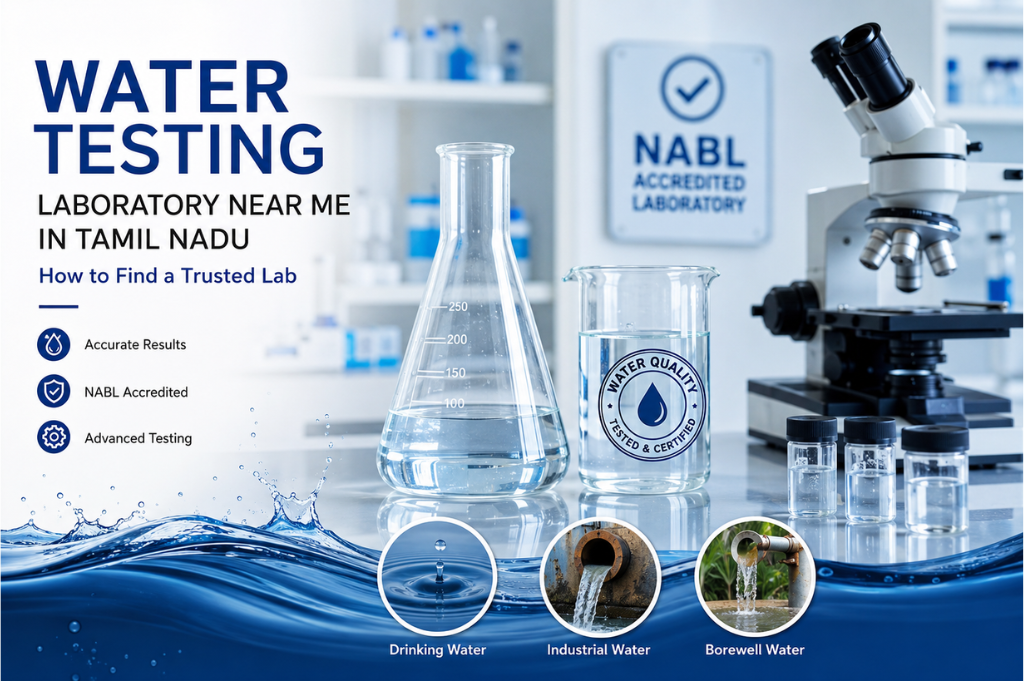
Water Testing Laboratory Near Me in Tamil Nadu: How to Find a Trusted Lab Clean and safe water is essential for homes, industries, hospitals, educational institutions, food manufacturers, and commercial facilities. Whether you rely on municipal water, borewell water, or packaged drinking water, regular testing helps identify contaminants before they become a health or compliance issue. If you’ve searched for a Water Testing Laboratory in Tamil Nadu, you’re probably looking for reliable results, quick turnaround times, and a laboratory you can trust. But with numerous testing facilities available, how do you choose the right one? This guide explains what to look for in a professional laboratory, why NABL accredited water testing laboratory services matter, and how to select the best provider for accurate water quality testing in Tamil Nadu. Why Choosing the Right Water Testing Laboratory Matters Water may appear clean but can still contain harmful contaminants that are invisible to the naked eye. Professional laboratory testing helps detect: Harmful bacteria and microorganisms Heavy metals such as Lead, Arsenic, and Mercury Excess Fluoride and Nitrate Chemical contaminants High TDS and hardness Industrial pollutants Pesticide residues pH imbalance Choosing a trusted Water Testing Laboratory in Tamil Nadu ensures that your water is tested using standardized methods and reliable laboratory equipment. What Makes a Trusted Water Testing Laboratory in Tamil Nadu? Not every laboratory follows the same quality standards. Before selecting a laboratory, consider these important factors. 1. NABL Accreditation The first thing to check is whether the laboratory is a NABL accredited water testing laboratory. NABL accreditation demonstrates that the laboratory follows internationally recognized quality management systems and validated testing procedures, providing confidence in the accuracy and reliability of test results. 2.Experienced Technical Team Qualified microbiologists, chemists, environmental scientists, and laboratory professionals ensure every sample is analyzed according to recognized national and international standards. Experienced analysts also help interpret reports and recommend appropriate next steps. 3.Comprehensive Water Testing Services A reliable laboratory should offer testing for different types of water, including: Drinking Water Borewell Water Groundwater Surface Water Industrial Water Process Water RO Water Packaged Drinking Water Wastewater Cooling Tower Water Boiler Water Complete water quality testing in Tamil Nadu should include both chemical and microbiological analysis. 4.Modern Laboratory Equipment Advanced analytical instruments provide highly accurate results. Leading laboratories use modern equipment for: ICP analysis Spectrophotometry Chromatography Microbiological analysis Heavy metal detection Physical and chemical parameter testing Modern technology improves accuracy while reducing turnaround time. 5.Fast Reporting Businesses often need reports quickly for compliance audits, inspections, or customer requirements. A trusted laboratory should provide: Timely sample processing Accurate reports Easy-to-understand results Technical guidance if abnormalities are detected Water Quality Testing in Tamil Nadu: Parameters You Should Test Professional laboratories evaluate multiple parameters depending on the intended use of the water. Physical Parameters Colour Odour Turbidity Temperature Conductivity Total Dissolved Solids (TDS) Chemical Parameters pH Total Hardness Chloride Sulphate Fluoride Nitrate Iron Calcium Magnesium Heavy Metals Microbiological Parameters Total Coliform E. coli Fecal Coliform Total Plate Count These tests help ensure water is safe for drinking, manufacturing, food processing, and other applications. Who Needs Water Testing Services in Tamil Nadu? Professional water testing benefits a wide range of sectors. Residential Properties Regular testing helps homeowners ensure safe drinking water from borewells, RO systems, or municipal supplies. Food & Beverage Manufacturers Food businesses must comply with regulatory standards, making routine water testing an essential part of quality control. Pharmaceutical Companies High-purity water is critical for pharmaceutical manufacturing and laboratory processes. Hospitals Healthcare facilities require microbiologically safe water for patient care and medical operations. Educational Institutions Schools and colleges should regularly monitor drinking water quality to protect students and staff. Hotels & Restaurants Hospitality businesses rely on safe water for cooking, beverages, and guest services. Manufacturing Industries Industries use water in production, cooling systems, boilers, and cleaning processes, making routine analysis essential. Water Testing Services in Coimbatore Businesses and residents looking for Water Testing Services in Coimbatore should choose laboratories that offer: NABL-accredited testing Comprehensive water analysis Fast turnaround Experienced technical experts Compliance-focused reporting Professional customer support Whether you need testing for drinking water, industrial water, or borewell water, working with an established laboratory ensures dependable results. Questions to Ask Before Choosing a Water Testing Laboratory Before submitting your sample, ask: Is the laboratory NABL accredited? Which testing standards are followed? What parameters are included? How long will reporting take? Do you provide guidance on interpreting results? Can you assist with regulatory compliance? Is sample collection available? Are customized testing packages offered? The answers will help you identify a reliable Water Testing Laboratory in Tamil Nadu. Why Regular Water Testing is Important Routine testing helps: Protect public health Prevent waterborne diseases Ensure regulatory compliance Improve manufacturing quality Reduce operational risks Detect contamination early Maintain customer confidence Rather than waiting for visible signs of contamination, proactive testing provides peace of mind and supports long-term safety. Why Choose Analytical Technology Laboratory Labs? Analytical Technology Laboratory is a trusted Water Testing Laboratory in Tamil Nadu, providing comprehensive testing solutions for residential, commercial, industrial, and institutional clients. Our laboratory is equipped with advanced analytical instruments and operated by experienced professionals who follow recognized quality standards to deliver reliable and accurate results. Our services include: Drinking Water Testing Borewell Water Testing Industrial Water Testing RO Water Analysis Chemical Testing Microbiological Testing Heavy Metal Analysis Water Quality Assessment Whether you require routine monitoring or specialized testing, our team is committed to delivering dependable laboratory services with timely reporting. 📞 Call Now: +91 95008 95001 Conclusion Finding the right Water Testing Laboratory in Tamil Nadu is about more than convenience; it’s about accuracy, credibility, and long-term safety. By choosing a laboratory with experienced professionals, advanced equipment, comprehensive testing capabilities, and recognized quality standards, you can make informed decisions about your water quality. Whether you’re a homeowner, business owner, food manufacturer, or industrial facility, regular water testing is a proactive step toward protecting health, ensuring compliance, and maintaining confidence in your water supply. If you’re looking for dependable testing services, Analytical Technology
Food Test Labs in Coimbatore for Local Manufacturers
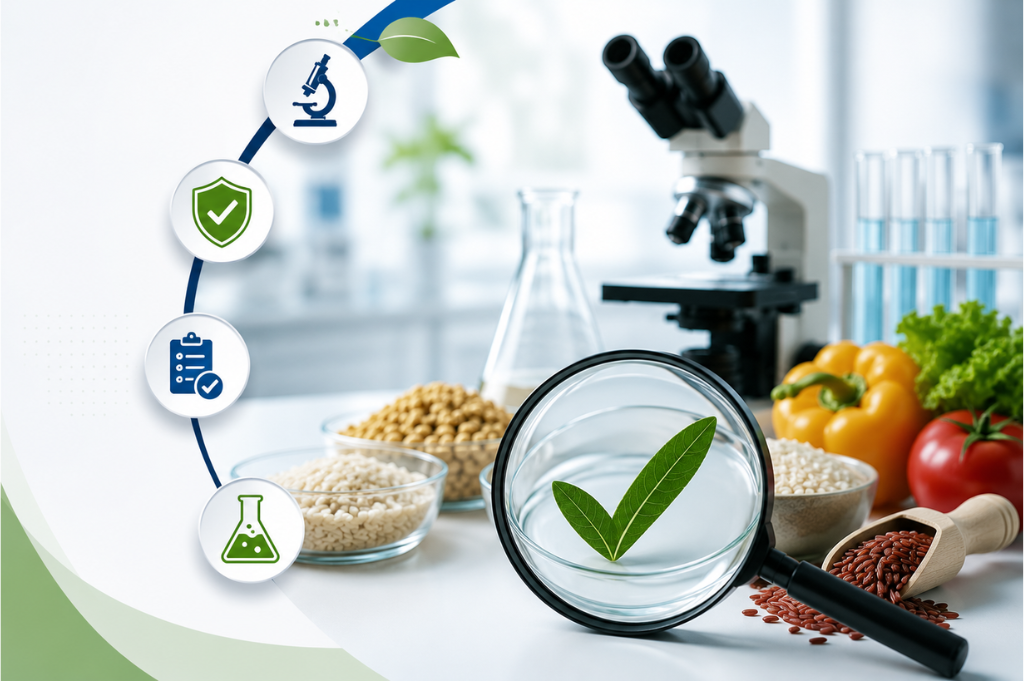
Why Local Food Manufacturers Prefer Food Test Labs in Coimbatore For food manufacturers, maintaining consistent product quality and complying with food safety regulations are essential for long-term business success. Whether you produce packaged foods, dairy products, spices, beverages, edible oils, seafood, or ready-to-eat products, laboratory testing plays a vital role in ensuring your products meet industry standards. This is one of the main reasons why food test labs in Coimbatore have become the preferred choice for local manufacturers. These laboratories provide accurate, reliable, and timely testing services that help businesses comply with FSSAI regulations, improve product quality, and build consumer confidence. In this guide, you’ll learn why local manufacturers trust food testing laboratories in Coimbatore, what services they offer, and how choosing the right laboratory can benefit your business. What Is an NABL Accredited Food Testing Laboratory? A NABL Accredited Food Testing Laboratory is a laboratory that has been assessed for technical competence and follows internationally recognized quality standards under ISO/IEC 17025. An accredited laboratory ensures: Accurate and reliable test results Standardized testing procedures Qualified technical experts Calibrated laboratory equipment Globally accepted testing reports For food manufacturers, working with an accredited laboratory reduces compliance risks and increases confidence among regulators, retailers, and customers. Why Local Food Manufacturers Prefer Food Test Labs in Coimbatore Coimbatore has become one of Tamil Nadu’s leading industrial and food manufacturing hubs. Local food businesses benefit from nearby testing laboratories that understand regional industries, regulatory requirements, and production timelines. Key reasons include: Faster Sample Processing Sending food samples to distant laboratories often increases transportation time and delays production. Local laboratories offer: Faster sample collection Reduced logistics costs Quicker testing turnaround Faster product release Better Understanding of FSSAI Compliance An experienced FSSAI Food Testing Laboratory helps manufacturers comply with food safety regulations by testing products according to applicable standards. Typical compliance testing includes: Nutritional analysis Chemical analysis Microbiological testing Heavy metal analysis Pesticide residue testing Food adulteration testing This minimizes regulatory risks during inspections and audits. Reliable Food Quality Testing Services Consistent product quality directly impacts customer satisfaction and brand reputation. Professional Food Quality Testing Services help manufacturers verify: Product consistency Ingredient quality Shelf life Safety standards Label accuracy Regulatory compliance Routine testing also reduces product recalls and customer complaints. How Food Testing Helps Local Manufacturers Grow Food testing is not only about meeting regulations—it also supports business growth. Benefits include: Increased consumer trust Better retailer acceptance Export readiness Reduced production losses Stronger quality control Improved brand reputation Manufacturers supplying supermarkets, distributors, hotels, and exporters often require certified laboratory reports before products enter the market. Step-by-Step: How Food Testing Works Understanding the testing process helps manufacturers plan production efficiently. Step 1: Sample Collection Representative food samples are collected according to laboratory guidelines. Step 2: Laboratory Registration Each sample receives a unique identification number for complete traceability. Step 3: Scientific Analysis Experts perform required analyses such as: Chemical testing Microbiological testing Physical testing Nutritional analysis Contaminant detection Step 4: Quality Verification Results are reviewed and verified by qualified laboratory professionals. Step 5: Test Report A detailed laboratory report is issued, helping manufacturers demonstrate compliance with applicable standards. How Long Does Food Testing Take? The testing timeline depends on the product type and required analyses. Typical turnaround times include: Test Type Estimated Time Basic Chemical Testing 2–5 Working Days Microbiological Testing 3–7 Working Days Nutritional Analysis 5–10 Working Days Shelf Life Studies Several Weeks to Months Specialized Contaminant Testing Varies by Test Planning testing early helps avoid production delays. Industries That Benefit from Food Testing Food testing laboratories support a wide range of industries, including: Dairy manufacturers Spice manufacturers Beverage companies Snack food producers Bakery manufacturers Rice mills Flour mills Oil manufacturers Packaged food companies Seafood processors Exporters Marine and Aquaculture Testing for Seafood Businesses Seafood manufacturers require specialized testing to ensure product safety before domestic distribution or export. Marine and Aquaculture Testing typically includes: Microbiological analysis Heavy metal testing Residue analysis Water quality testing Feed testing Export compliance testing These services help seafood businesses meet national and international quality requirements. Why Choose an NABL Accredited Laboratory? Choosing an accredited laboratory offers several advantages: Internationally recognized testing methods Reliable and repeatable results Experienced technical professionals Modern analytical instruments Regulatory compliance support Trusted documentation for audits and certifications For growing food manufacturers, accredited testing provides confidence throughout the supply chain. Best Practices for Food Manufacturers To maintain consistent product quality: Test raw materials regularly. Monitor production batches. Validate packaging materials. Conduct routine microbiological testing. Verify nutritional labeling. Maintain proper documentation. Schedule periodic quality audits. Regular testing helps prevent quality issues before products reach customers. Common Mistakes to Avoid Many manufacturers delay testing until the final production stage. Avoid these common mistakes: Skipping raw material testing Using non-accredited laboratories Ignoring shelf life studies Delaying microbiological testing Not maintaining testing records Waiting until regulatory inspections Preventive testing is always more cost-effective than corrective action. Conclusion Choosing reliable food test labs in Coimbatore is a strategic investment for food manufacturers seeking consistent quality, regulatory compliance, and long-term business growth. From FSSAI Food Testing Laboratory services to comprehensive Food Quality Testing Services and Marine and Aquaculture Testing, professional laboratories help businesses deliver safe, compliant, and high-quality food products to the market. Whether you are a startup, an established manufacturer, or an exporter, partnering with an experienced, NABL-accredited laboratory can streamline compliance, reduce risks, and strengthen customer confidence. Ready to Ensure the Safety and Quality of Your Food Products? Partner with Analytical Technology Laboratory, a trusted NABL-accredited testing laboratory in Coimbatore, for accurate food testing, regulatory compliance, and expert technical support. Contact our team today to discuss your testing requirements and receive expert guidance. 📞 Call: +91 95008 95001 | 📧 Email: enquiry@atlabs.co.in Frequently Asked Questions Why should food manufacturers use food test labs in Coimbatore? Local laboratories offer faster turnaround times, lower logistics costs, regulatory expertise, and convenient access for routine testing. Is FSSAI food testing mandatory? Certain food products require testing to demonstrate compliance with applicable FSSAI regulations, especially for licensing, audits,
Microbiological Food Testing Labs: How Much Does Microbiological Food Testing Cost in India?
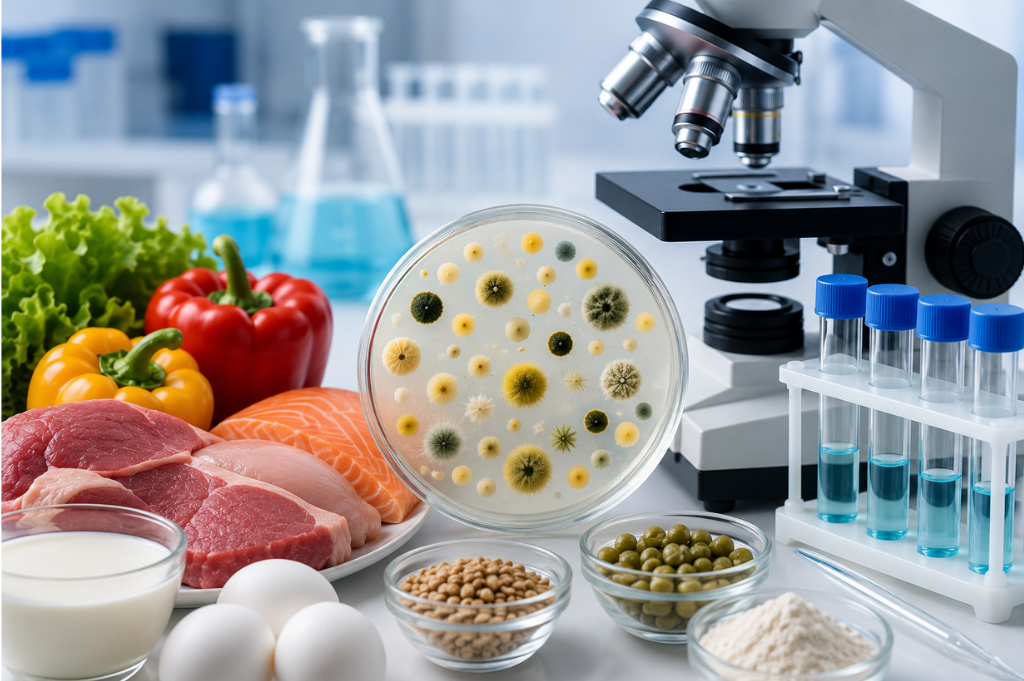
Microbiological Food Testing Labs: How Much Does Microbiological Food Testing Cost in India? Food safety is no longer optional; it’s a legal and business necessity. Whether you’re a food manufacturer, exporter, restaurant, cloud kitchen, dairy producer, spice processor, or packaged food brand, microbiological food testing plays a critical role in ensuring your products are safe for consumption and compliant with regulatory standards. One of the most common questions businesses ask is: “How much does microbiological food testing cost in India?” The answer depends on several factors, including the type of food product, the number of microbiological parameters tested, testing standards, and laboratory accreditation. This guide explains the typical costs, testing process, influencing factors, and how to choose the right Microbiological Food Testing Labs for your business. What Is Microbiological Food Testing? Microbiological food testing is the laboratory analysis of food samples to detect harmful microorganisms that can affect product safety, shelf life, and consumer health. Common microorganisms tested include: Salmonella E. coli Listeria monocytogenes Staphylococcus aureus Yeast & Mold Coliform Bacteria Bacillus cereus Clostridium species Testing helps identify contamination before products reach consumers. Why Is Microbiological Food Testing Important? Regular testing helps businesses: Meet FSSAI food safety requirements Ensure product quality Prevent food recalls Protect consumer health Increase customer confidence Support export compliance Improve manufacturing quality control Businesses that perform routine testing reduce risks associated with contamination and regulatory non-compliance. Who Needs Microbiological Food Testing? Microbiological testing is recommended for: Food manufacturers Dairy industries Beverage manufacturers Spice processors Bakery manufacturers Frozen food companies Ready-to-eat food producers Hotels & Restaurants Cloud Kitchens Food Exporters Catering Companies Supermarkets Institutional Kitchens How Much Does Microbiological Food Testing Cost in India? The cost varies depending on the type of food product, required parameters, and testing standards. Testing Type Approximate Cost (₹) Basic Microbiological Analysis ₹800 – ₹2,000 Standard Food Pathogen Testing ₹2,000 – ₹5,000 Comprehensive Microbiological Testing ₹5,000 – ₹10,000+ Export-Specific Microbial Testing Based on required standards Note: Actual pricing varies depending on sample type, number of parameters, applicable regulations, and laboratory requirements. Contact the laboratory for an accurate quotation. Factors That Affect Microbiological Food Testing Cost 1. Type of Food Sample Testing requirements differ for: Dairy products Meat Seafood Packaged foods Bakery items Beverages Spices Ready-to-eat foods Different food matrices require different testing procedures. 2. Number of Parameters Testing for one microorganism costs less than comprehensive microbial screening. For example: Total Plate Count Yeast & Mold Coliform E. coli Salmonella Listeria The more parameters included, the higher the testing cost. 3. Testing Standards Laboratories may perform testing according to: FSSAI ISO AOAC APEDA Export Requirements Customer-specific protocols Specialized standards may influence pricing. 4. Turnaround Time Standard testing generally takes several working days. Urgent or priority testing may involve additional charges depending on laboratory availability. 5. NABL Accreditation Choosing a NABL accredited food testing laboratory ensures technically competent testing, reliable reports, and greater acceptance by regulatory authorities and customers. Step-by-Step Process of Microbiological Food Testing Sample Collection Food samples are collected following prescribed sampling procedures. Laboratory Registration Samples are logged into the laboratory information management (LIMS) system. Sample Preparation The laboratory prepares the sample under controlled conditions. Microbial Analysis Qualified analysts perform microbiological testing using validated methods. Quality Verification Results undergo technical review and quality checks. Final Test Report A detailed report is issued with the test results and observations. Typical Turnaround Time Most microbiological food testing reports are available within 3–7 working days, depending on the test parameters and incubation requirements. Complex pathogen analysis may require additional time. How to Choose the Best Microbiological Food Testing Lab Consider the following before selecting a laboratory: NABL Accreditation Experienced microbiologists Modern laboratory infrastructure Validated testing methods Fast report delivery Transparent pricing Strong quality assurance practices Customer support Industry experience Regulatory compliance expertise Common Mistakes Businesses Should Avoid Avoid these common issues: Choosing laboratories based only on low cost Delaying routine food testing Ignoring shelf-life validation Improper sample collection Testing only after customer complaints Not maintaining regular testing schedules Selecting non-accredited laboratories for compliance testing Expert Tips for Food Manufacturers Experienced food safety professionals recommend: Conduct microbiological testing regularly. Validate new product formulations before launch. Test raw materials periodically. Monitor finished products consistently. Train staff on hygiene and contamination control. Maintain proper documentation for audits. Work with a trusted food quality testing laboratory in Tamil Nadu or another qualified, accredited laboratory for reliable results. Why Choose Analytical Technology Laboratory? Analytical Technology Laboratory provides professional food testing services with a focus on quality, accuracy, and timely reporting. Key advantages include: NABL Accredited Laboratory Experienced technical team Modern testing equipment Comprehensive food testing solutions Reliable reporting Support for regulatory compliance Services for manufacturers, exporters, restaurants, and food businesses Final Thoughts Microbiological food testing is an essential investment for businesses committed to food safety, regulatory compliance, and customer trust. While costs vary depending on the testing scope, selecting a competent and accredited laboratory is far more valuable than choosing solely on price. Routine microbiological analysis helps detect contamination early, improve product quality, reduce the risk of recalls, and strengthen your brand’s reputation in domestic and export markets. 📞 Call: +91 95008 95001 Frequently Asked Questions (FAQs) What is microbiological food testing? It is the laboratory analysis of food products to detect harmful microorganisms that may affect food safety and quality. How much does microbiological food testing cost? The cost varies based on the sample type, required test parameters, and applicable standards. Basic testing generally starts from around ₹800, while comprehensive testing may cost significantly more depending on the scope. Why should I choose a NABL accredited laboratory? NABL accreditation demonstrates technical competence and helps ensure reliable, widely accepted test results. How long does microbiological food testing take? Most routine tests are completed within 3–7 working days, though some specialized analyses may require more time. Which industries require microbiological food testing? Food manufacturers, dairy plants, beverage companies, spice processors, seafood exporters, restaurants, bakeries, cloud kitchens, and packaged food businesses commonly require testing.
How to Book a Borewell Water Testing Laboratory Near You?
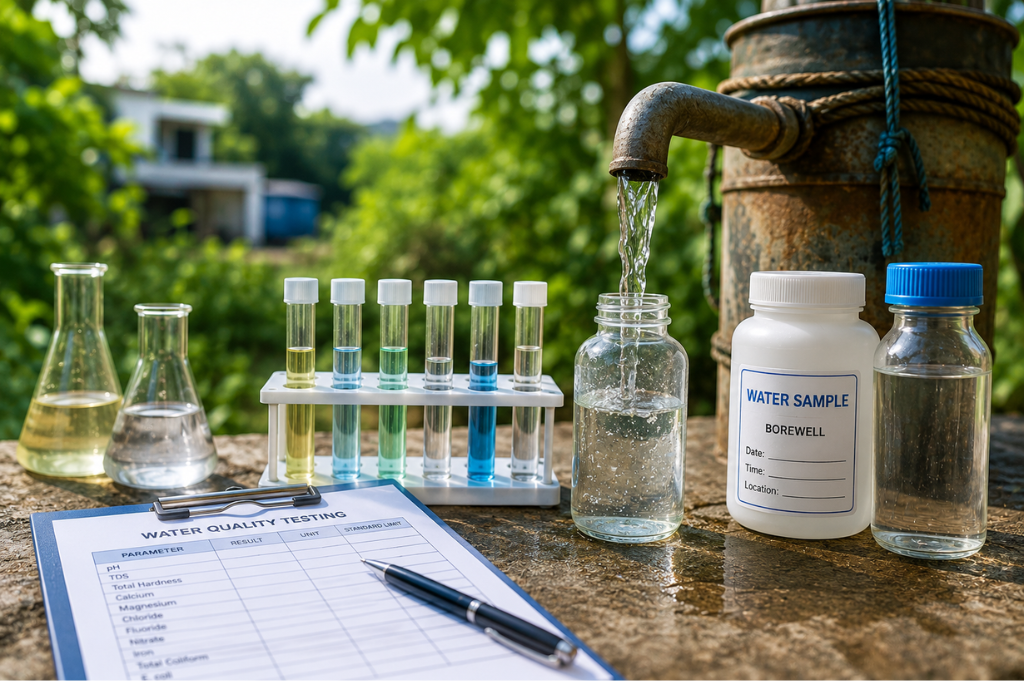
How to Book a Borewell Water Testing Laboratory Near You? Borewell water is widely used in homes, apartments, industries, schools, hospitals, and commercial buildings. While it may appear clean, it can contain harmful contaminants like bacteria, heavy metals, excess fluoride, or nitrates that are invisible to the naked eye. Booking a borewell water testing laboratory is the best way to ensure your water is safe for drinking or daily use. In this guide, you’ll learn the simple process of booking a test, what to expect in a borewell water test report, and why professional testing is important. What Is Borewell Water Testing? Borewell water testing is a laboratory analysis that checks the physical, chemical, and microbiological quality of groundwater. The test helps determine whether the water is safe for drinking, domestic, industrial, or commercial use. Common parameters tested include: pH Total Dissolved Solids (TDS) Hardness Iron Fluoride Nitrate Heavy Metals Total Coliform E. coli The results are compared with borewell water quality standards to assess water safety. Why Is Borewell Water Testing Important? Regular water testing helps you: Identify harmful contaminants. Ensure safe drinking water. Protect your family or employees from waterborne diseases. Meet water quality requirements for industries and businesses. Detects changes in groundwater quality over time. A professional borewell water test report provides accurate information so you can take corrective action if needed. How to Book a Borewell Water Testing Laboratory Booking a water test is quick and straightforward. Step 1: Choose a Reliable Laboratory Select a laboratory with experienced professionals, modern testing facilities, and recognized quality practices such as NABL accredited water testing. Step 2: Share Your Requirement Inform the laboratory about how the water is used for drinking, residential use, industrial processes, food manufacturing, or commercial purposes. This helps determine the appropriate testing parameters. Step 3: Collect the Water Sample Use a clean container and follow the laboratory’s sample collection instructions. Proper sampling ensures accurate test results. Step 4: Laboratory Analysis The laboratory performs physical, chemical, and microbiological testing using standardized methods to evaluate water quality. Step 5: Receive Your Test Report Once testing is complete, you’ll receive a detailed borewell water test report showing the tested parameters, results, and recommendations if treatment is required. What Does a Borewell Water Test Report Include? A typical report contains: Parameter Purpose pH Water acidity or alkalinity TDS Mineral content Hardness Calcium and magnesium levels Iron Excess iron detection Fluoride Safe fluoride levels Nitrate Groundwater contamination Heavy Metals Toxic metal analysis Coliform & E. coli Microbiological safety The report helps determine whether the water is suitable for its intended use. How Often Should Borewell Water Be Tested? Experts recommend testing borewell water: At least once a year. Before using a newly drilled borewell. After floods or heavy rainfall. If the water changes in taste, smell, or colour. Before installing a new water treatment system. Regular testing helps maintain safe and consistent water quality. Why Choose Analytical Technology Laboratory? Analytical Technology Laboratory provides professional borewell water testing services for: Homes Apartments Industries Schools Hospitals Commercial buildings Real estate projects Our experienced team performs detailed water quality analysis and provides easy-to-understand reports to help you make informed decisions about your water. 📞 Call ATL Labs: +91 95008 95001 Book your borewell water testing today and get accurate results from our experienced laboratory professionals. Frequently Asked Questions How long does borewell water testing take? The turnaround time depends on the number of parameters selected. The laboratory will provide an estimated timeline when you book the test. Is clear borewell water safe to drink? Not always. Many harmful contaminants cannot be seen without laboratory testing. Why is a borewell water test report important? It identifies contaminants, compares results with water quality standards, and helps determine if treatment is needed. Can industries book borewell water testing? Yes. Borewell water testing is recommended for industries, food manufacturers, hospitals, educational institutions, and commercial facilities. Share this Article
Soil and Water Testing Laboratory: How to Find a Reliable Testing Partner
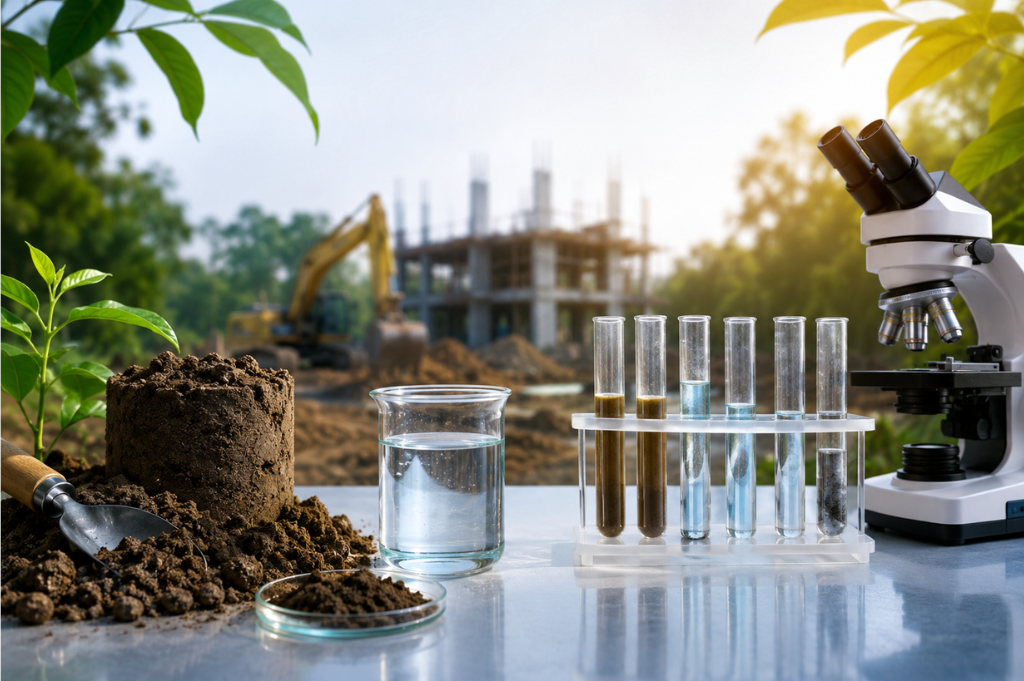
Soil and Water Testing Laboratory: How to Find a Reliable Testing Partner Whether you’re planning a construction project, developing agricultural land, or ensuring safe water quality for industrial or residential use, choosing the right soil and water testing laboratory is one of the most important decisions you can make. Reliable testing helps prevent costly mistakes, ensures regulatory compliance, and provides accurate data for informed decision-making. If you’re searching for a NABL Approved Soil Testing Laboratory or a trusted Water Testing Laboratory in Tamil Nadu, this guide will help you understand what to look for and why choosing an experienced laboratory matters. What Is a Soil and Water Testing Laboratory? A soil and water testing laboratory is a specialized facility that analyzes soil and water samples to determine their physical, chemical, and biological properties. The results help engineers, builders, industries, farmers, and environmental professionals make informed decisions based on scientific evidence. A professional laboratory performs tests such as: Soil bearing capacity testing Soil classification Moisture content analysis Compaction testing Water quality analysis Chemical and microbiological testing Heavy metal analysis These tests provide reliable data to ensure safety, quality, and compliance with industry standards. Why Is Choosing the Right Soil Testing Laboratory Important? The accuracy of laboratory results directly impacts project quality and safety. Selecting an experienced laboratory helps you: Prevent structural failures Ensure safe foundation design Meet government regulations Improve construction quality Reduce long-term maintenance costs Make informed engineering decisions An inaccurate test report can lead to expensive redesigns, construction delays, and safety risks. How Soil Testing Helps Prevent Structural Failures One of the primary reasons for conducting soil testing is to determine whether the ground can safely support a structure. Professional soil testing helps identify: Weak soil layers Settlement risks Load-bearing capacity Soil expansion and shrinkage Moisture-related issues Groundwater conditions Without proper soil investigation, buildings may experience foundation cracks, uneven settlement, or structural instability over time. Why Water Testing Is Equally Important Water quality affects public health, industrial operations, agriculture, and environmental sustainability. Professional water testing helps identify: pH imbalance Total Dissolved Solids (TDS) Hardness Chlorides Sulphates Heavy metals Bacterial contamination Chemical pollutants Regular water testing ensures compliance with drinking water standards, industrial regulations, and environmental guidelines. How to Find a Reliable Soil and Water Testing Laboratory Choosing the right laboratory involves more than comparing prices. 1. Check NABL Accreditation A NABL Approved Soil Testing Laboratory follows internationally recognized quality management systems and testing procedures. NABL accreditation indicates: Accurate testing methods Qualified professionals Calibrated equipment Reliable reports Standardized procedures 2.Evaluate Laboratory Experience Choose a laboratory with experience serving multiple industries such as: Construction Infrastructure Manufacturing Agriculture Government projects Environmental monitoring Experienced laboratories can better understand project-specific testing requirements. 3.Verify Available Testing Services A comprehensive laboratory should offer both soil and water testing under one roof. Look for services including: Soil Testing Soil Classification Bearing Capacity Atterberg Limits Compaction Test Grain Size Analysis California Bearing Ratio (CBR) Permeability Test Water Testing Drinking Water Testing Borewell Water Testing Industrial Water Testing Wastewater Testing Microbiological Analysis Chemical Analysis Having multiple services in one laboratory saves time and ensures consistency. 4.Assess Laboratory Equipment Modern testing equipment improves the accuracy and reliability of results. Advanced laboratories use: Automated testing instruments Calibrated equipment Digital reporting systems Standardized laboratory procedures Regular equipment calibration is essential for consistent test accuracy. 5.Review Turnaround Time Construction and industrial projects often operate on tight schedules. Choose a laboratory that offers: Fast sample processing Timely reporting Emergency testing support (if required) Transparent communication throughout the testing process 6.Ensure Compliance with Standards A reliable laboratory should conduct testing according to recognized national and international standards. This ensures that reports are accepted by engineers, consultants, regulatory authorities, and project stakeholders. Why Choose a Soil Testing Laboratory in Coimbatore? Coimbatore has become a major industrial and infrastructure hub in Tamil Nadu, creating increasing demand for professional laboratory services. Choosing a local laboratory offers several advantages: Faster sample collection Reduced transportation time Quick report delivery Local technical support Better understanding of regional soil conditions Easy consultation with laboratory experts For businesses across Tamil Nadu, working with an experienced Soil Testing Laboratory in Coimbatore ensures timely and dependable testing services. Industries That Benefit from Soil and Water Testing Professional laboratory testing supports a wide range of sectors, including: Construction & Infrastructure Real Estate Development Manufacturing Industries Government Projects Educational Institutions Agriculture Environmental Consulting Mining Water Supply Authorities Industrial Plants Each industry relies on accurate testing to minimize risk and ensure regulatory compliance. Common Mistakes to Avoid When Choosing a Laboratory Avoid these common mistakes: Selecting based only on price Ignoring NABL accreditation Choosing laboratories with limited testing capabilities Not checking report turnaround time Overlooking customer support Failing to verify laboratory experience A reliable testing partner delivers value through accuracy, expertise, and dependable service, not just lower costs. Expert Tips for Choosing the Best Soil and Water Testing Laboratory To make the right decision: Verify NABL accreditation. Confirm the laboratory offers the specific tests your project requires. Review the laboratory’s experience with similar projects. Ensure reports comply with applicable standards. Ask about turnaround times before submitting samples. Choose a laboratory known for technical support and responsive service. These steps help ensure accurate results and smoother project execution. Why choose Analytical Technology Laboratory? Analytical Technology Laboratory is a trusted NABL & FSSAI Approved Testing Laboratory in Coimbatore, offering comprehensive soil and water testing services using advanced laboratory equipment, qualified professionals, and standardized testing procedures. We support industries across Tamil Nadu with accurate reports, timely delivery, and reliable technical expertise. Conclusion Choosing the right soil and water testing laboratory is essential for making informed decisions in construction, infrastructure, industrial operations, and environmental management. A reliable testing partner provides accurate data, helps prevent structural failures, ensures compliance with standards, and supports long-term project success. Whether you’re looking for a NABL Approved Soil Testing Laboratory, a Soil Testing Laboratory in Coimbatore, or a trusted Water Testing Laboratory in Tamil Nadu, selecting an experienced laboratory with proven expertise can make all the
