
Rice Testing in Tamil Nadu: Quality, Safety and Nutritional Parameters Explained
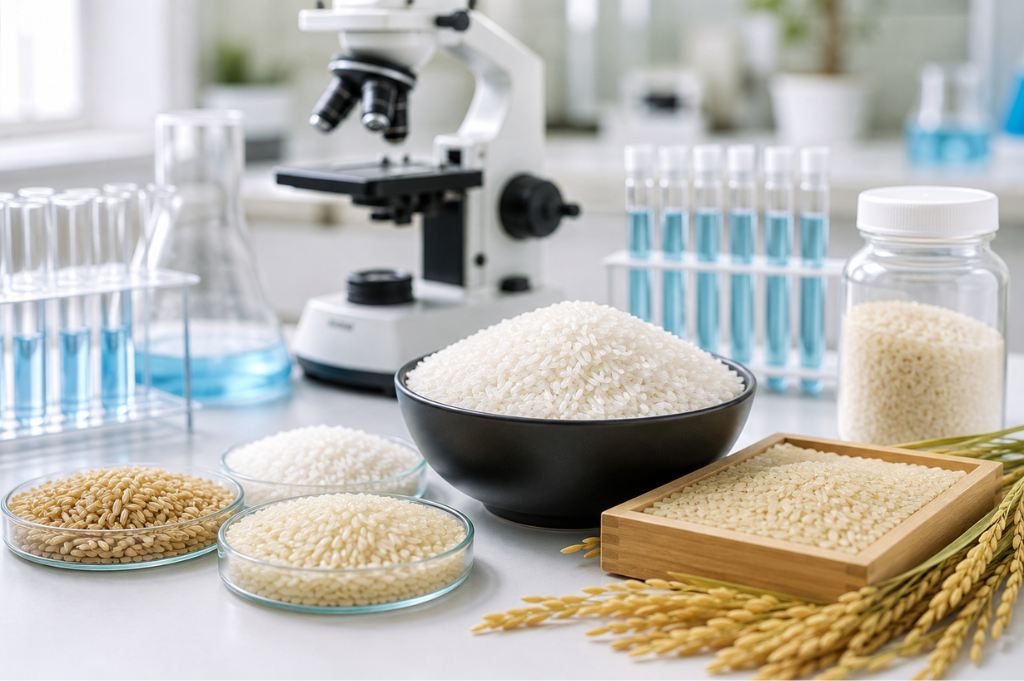
Rice is one of the most widely consumed food grains in India, making quality and safety testing important for rice manufacturers, processors, exporters, traders, retailers and food businesses. Laboratory testing helps identify quality variations, nutritional characteristics and potential contaminants before rice reaches consumers.
A reliable rice testing laboratory in Tamil Nadu can evaluate important physical, chemical, nutritional and microbiological parameters to help businesses make informed quality-control decisions.
In this guide, we explain the major parameters involved in rice testing, why laboratory analysis matters, and how testing supports food safety and regulatory compliance.
What Is Rice Testing?
Rice testing is the laboratory analysis of rice samples to determine their quality, safety, composition and nutritional characteristics.
Depending on the purpose of testing, laboratories may examine parameters such as:
- Moisture content
- Protein
- Fat
- Carbohydrates
- Ash
- Energy value
- Physical characteristics
- Microbiological quality
- Contaminants
- Mycotoxins
- Pesticide residues
- Heavy metals
The exact test panel depends on the type of rice, intended application, regulatory requirements and customer specifications.
Why Is Rice Testing Important in Tamil Nadu?
Rice can be affected by factors such as cultivation conditions, storage, transportation, processing and handling. Testing provides objective laboratory data that can help businesses verify the quality of their products.
For rice businesses in Tamil Nadu, laboratory testing can support:
- Quality control during production
- Raw-material evaluation
- Supplier verification
- Food safety assessment
- Product development
- Regulatory compliance
- Export-quality verification
- Nutritional labelling requirements
- Shelf-life and storage decisions
Instead of relying only on visual inspection, laboratory analysis provides measurable results for important quality and safety parameters.
Key Parameters Tested in Rice
1. Moisture Content
Moisture is an important quality parameter for stored rice. Excessive moisture can contribute to undesirable changes during storage and may increase the risk of microbial growth under suitable conditions.
Moisture testing helps businesses monitor the condition of rice during processing and storage.
2. Nutritional Composition
Nutritional analysis can provide information about the composition of rice, including:
- Protein
- Fat
- Carbohydrates
- Ash
- Dietary fibre, where applicable
- Energy
This is part of Nutritional Testing of Food Grains, which can be useful for food manufacturers, processors and businesses preparing nutritional information for products.
3. Microbiological Testing
Microbiological analysis helps evaluate the microbiological quality of rice and rice-based products.
Depending on the sample and testing objective, laboratories may examine relevant microorganisms and indicators according to applicable standards or specifications.
4. Mycotoxin Testing
Mycotoxins are naturally occurring toxic compounds that can be produced by certain fungi under favourable conditions.
Mycotoxin Testing in Food Grains can therefore be an important component of food-safety testing, particularly when assessing grain quality and potential contamination.
The specific mycotoxins tested should be selected according to the commodity, regulatory requirements and intended market.
5. Heavy Metal Testing
Rice and other grains may require testing for specific heavy metals depending on the source, environment, regulatory requirements and intended application.
Laboratory analysis can help determine whether the tested sample meets the applicable limits or customer specifications.
6. Pesticide Residue Testing
Rice may also be analysed for pesticide residues when required by regulations, buyers, export markets or food-safety programs.
A suitable pesticide residue testing panel should be selected based on the commodity and target market.
Rice Quality Testing for Food Businesses
Rice manufacturers and food businesses may require different testing programs depending on their operations.
For example:
Rice processors may focus on raw-material quality and process consistency.
Food manufacturers may require nutritional, microbiological and contaminant testing.
Exporters may require testing against destination-market requirements and customer specifications.
Traders and procurement teams may use laboratory reports to support supplier and batch evaluation.
This makes it important to choose a laboratory capable of providing the appropriate analytical scope rather than relying on a one-size-fits-all testing package.
Rice Testing vs Wheat Testing
Rice is not the only grain that requires quality and safety analysis. Wheat and other cereals also undergo laboratory testing for different quality parameters.
A Wheat Testing Laboratory in Tamil Nadu may analyse parameters such as moisture, protein, ash, gluten-related characteristics and other applicable quality or safety parameters.
The appropriate testing parameters vary according to the grain, product type and intended use.
How Does a Rice Testing Laboratory Work?
A typical laboratory testing process involves several stages:
Step 1: Sample Collection
A representative sample is collected according to the applicable sampling procedure.
Step 2: Sample Receipt and Identification
The laboratory records the sample details and assigns appropriate identification for traceability.
Step 3: Sample Preparation
The sample is prepared using the procedure appropriate to the requested analysis.
Step 4: Laboratory Analysis
Trained laboratory personnel conduct the required tests using validated or applicable analytical methods.
Step 5: Quality Review
Test results undergo appropriate laboratory quality-control procedures before reporting.
Step 6: Test Report
The final report presents the analytical results and relevant information associated with the testing performed.
How to Choose a Rice Testing Laboratory in Tamil Nadu?
Businesses should consider several factors before selecting a laboratory.
Check Laboratory Accreditation
Look for relevant accreditation, such as ISO/IEC 17025, for the required testing scope.
Review the Testing Scope
Make sure the laboratory offers the parameters your business actually needs, whether nutritional, microbiological, chemical or contaminant testing.
Consider Industry Experience
Experience with food grains and related food products can help laboratories understand different testing requirements.
Ask About Sample Requirements
Before sending samples, confirm the required sample quantity, packaging, storage and transportation conditions.
Check Reporting Requirements
For regulatory, export or customer purposes, confirm that the laboratory report contains the information required for your application.
Why Choose ATL Labs for Food Grain Testing?
ATL Labs provides analytical testing services for food and related products, supporting businesses that require reliable laboratory analysis.
Testing requirements differ from one product and application to another. Therefore, businesses should discuss their specific requirements with the laboratory before selecting the final test panel.
For rice, wheat, pulses and other food grains, the appropriate testing program can be designed around the product, intended market and applicable requirements.
Frequently Asked Questions About Rice Testing
What is tested in rice quality testing?
Why is moisture testing important for rice?
Is nutritional testing available for food grains?
What is mycotoxin testing in food grains?
Can rice be tested for pesticide residues?
How do I choose a rice testing laboratory in Tamil Nadu?
Get Your Rice Sample Tested
Quality testing can help rice businesses make evidence-based decisions about product quality, safety and nutritional composition.
If you are looking for a rice testing laboratory in Tamil Nadu, discuss your sample and testing requirements with ATL Labs to identify the appropriate analysis.
Call Now: +91 95008 95001 | Email: enquiry@atlabs.co.in
