
Small Food Business Ideas in India: From Homemade Products to Retail Brands
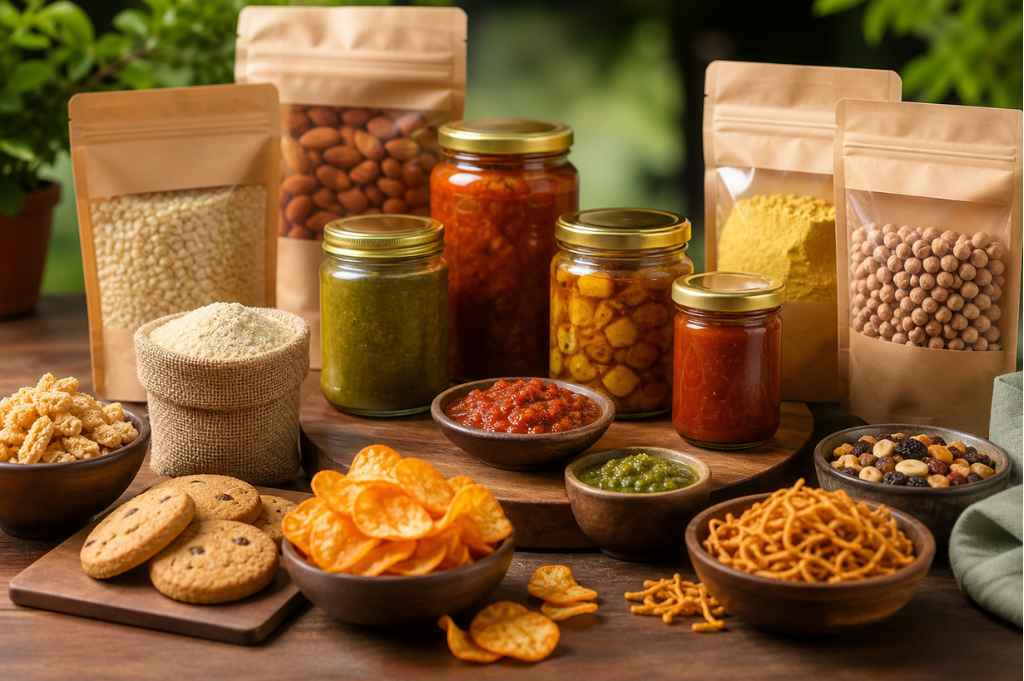
Starting a food business does not always require a large factory, expensive machinery, or a huge investment. Across India, entrepreneurs are turning homemade recipes, traditional foods, snacks, beverages, and specialty products into small but growing food brands.
If you are exploring small food business ideas in India, the opportunity can range from a home-based food operation to a packaged food brand selling through supermarkets, online marketplaces, and retail stores.
However, creating a successful food product involves more than developing a good recipe. Food safety, nutritional information, shelf life, product quality, labeling, and regulatory requirements can become important as your business grows.
This guide explains potential small food business ideas and why food testing can be an important part of moving from a homemade product to a retail-ready food brand.
What Are Small Food Business Ideas in India?
Small food business ideas in India include food ventures that can be started with relatively limited infrastructure and gradually expanded based on customer demand.
Some common opportunities include:
- Homemade snacks and traditional sweets
- Spice and masala products
- Pickles and ready-to-eat foods
- Bakery and confectionery products
- Millet-based food products
- Health and wellness food products
- Ready-to-cook mixes
- Sauces, spreads, and chutneys
- Packaged beverages
- Regional and traditional food products
The right opportunity depends on factors such as your target customers, production capacity, ingredients, investment, packaging, distribution model, and product positioning.
10 Small Food Business Ideas in India to Explore
1. Homemade Snacks
Traditional snacks can be a practical starting point for a homemade food business in India. Products such as murukku, mixture, chips, cookies, and regional specialties can be sold locally or through online channels.
As production increases, testing can help businesses understand product quality and suitability for wider distribution.
2. Pickles and Preserved Foods
Pickles, sauces, chutneys, and other preserved foods can appeal to customers looking for convenient traditional products.
For packaged products, businesses should consider factors such as microbiological quality, chemical parameters, packaging, and shelf life.
3. Millet-Based Food Products
Millet-based products have created opportunities for entrepreneurs developing snacks, flour blends, ready-to-cook products, cookies, and other foods.
Product development should consider nutritional composition and the information required for appropriate food labeling.
4. Spice and Masala Products
Spice powders and blended masalas can be developed as niche or regional products.
Consistency in ingredients and product quality is important when moving from small-batch production toward a larger retail operation.
5. Ready-to-Cook Food Products
Ready-to-cook mixes can provide convenience for consumers while allowing small businesses to develop specialized products.
Examples include dosa mixes, instant mixes, soup mixes, breakfast mixes, and regional food preparations.
6. Bakery and Confectionery Products
Cookies, cakes, biscuits, brownies, and other bakery products can begin as home-based ventures and later develop into packaged brands.
For packaged products, businesses may need to evaluate nutritional composition, microbiological quality, shelf life, and other relevant parameters.
7. Healthy and Functional Food Products
Products positioned around nutrition, wellness, or specific dietary preferences require careful attention to their composition and claims.
Nutritional analysis for food products can help determine values such as energy, protein, carbohydrate, fat, dietary fibre, and other applicable nutritional parameters.
8. Sauces, Spreads and Chutneys
Sauces, spreads, dips, and chutneys can be developed as packaged food products for retail and online sales.
Testing can help businesses evaluate product characteristics and quality before expanding distribution.
9. Traditional Regional Foods
India’s regional food diversity provides opportunities to turn traditional recipes into modern packaged products.
Entrepreneurs can build brands around regional snacks, specialty foods, traditional mixes, and other locally inspired products.
10. Packaged Food Products for Retail
Once a product gains customers, the next step may be moving from direct local sales to supermarkets, distributors, e-commerce platforms, and other retail channels.
At this stage, food testing and documentation become increasingly important for building a structured food business.
Why Food Testing Matters for a Small Food Business
A recipe that works well in a home kitchen may not automatically be ready for commercial distribution.
As a food business grows, testing can provide useful information about product quality, safety, composition, and shelf life.
Depending on the product, testing requirements may include:
- Nutritional analysis
- Microbiological testing
- Chemical analysis
- Food adulteration testing
- Shelf-life testing
- Moisture analysis
- Heavy metal analysis
- Pesticide residue testing
- Other product-specific parameters
The appropriate tests depend on the food product, ingredients, intended claims, packaging, and applicable regulatory requirements.
Nutritional Analysis for Food Products
Nutritional analysis for food products can be particularly relevant for businesses planning to sell packaged foods.
Nutritional testing can help businesses obtain laboratory data for applicable nutritional parameters and support the development of accurate product information.
Depending on the product and testing scope, analysis may include:
- Energy value
- Protein
- Total fat
- Carbohydrates
- Dietary fibre
- Total sugars
- Sodium
- Moisture
- Ash
The applicable parameters should be determined based on the product and current labeling requirements.
Reliable laboratory data can also help businesses make informed decisions during product development and quality control.
Food Testing for Homemade Food Businesses
A homemade food business in India may start by selling directly to friends, local customers, or through social media.
As demand increases, the business may transition toward:
Home Kitchen → Small Production → Packaged Product → Retail Distribution → Established Food Brand
Each stage can introduce new requirements related to consistency, packaging, testing, labeling, documentation, and quality management.
Getting appropriate testing done early can help entrepreneurs understand their product better before making larger investments in production and distribution.
What Should You Test Before Selling a Packaged Food Product?
There is no single testing package that applies to every food product.
The appropriate testing plan depends on the type of food and its intended market.
A business may consider:
Product Safety Testing
Microbiological and other applicable safety parameters can help evaluate whether the product meets relevant requirements.
Nutritional Testing
Nutritional analysis can provide laboratory data needed for applicable nutritional information.
Chemical Testing
Depending on the product, chemical parameters and contaminants may need to be evaluated.
Shelf-Life Testing
Shelf-life evaluation can help determine how the product performs over the intended storage period.
Product-Specific Testing
Some foods may require additional testing based on ingredients, claims, regulatory requirements, or customer specifications.
A qualified laboratory can help identify the appropriate testing scope based on the product.
Choosing a NABL Accredited Food Testing Laboratory in India
When selecting a NABL accredited food testing laboratory in India, food businesses should look beyond the laboratory name and consider whether the required testing falls within the laboratory’s applicable accreditation scope.
Businesses can consider:
- Relevant testing capabilities
- Applicable accreditation scope
- Experience with similar food products
- Reporting requirements
- Turnaround time
- Sample submission process
- Technical support
- Regulatory testing requirements
For businesses developing packaged foods, working with an appropriate laboratory can make the testing process more structured.
FSSAI Testing Laboratory for Food Products
An FSSAI testing laboratory for food products can support food businesses that require laboratory testing related to food safety, quality, and regulatory requirements.
Before submitting samples, businesses should identify:
- The exact food product
- The intended market
- Applicable regulatory requirements
- Required testing parameters
- Sample quantity and preparation requirements
- Expected reporting requirements
Testing should always be selected based on the specific product and applicable requirements rather than using a generic test list.
From Homemade Product to Retail Brand
One of the biggest opportunities for entrepreneurs exploring small food business ideas in India is the ability to start small and scale gradually.
A practical growth pathway can look like:
- Product Idea
Identify a customer problem or food category with potential demand. - Recipe Development
Develop and standardize the product formulation. - Product Testing
Evaluate relevant safety, nutritional, quality, and other applicable parameters. - Packaging Development
Select packaging suitable for the product and intended storage conditions. - Label Development
Prepare applicable product and nutritional information according to current requirements. - Market Testing
Introduce the product to a defined customer segment and collect feedback. - Scale Production
Increase production while maintaining consistency and quality. - Retail Expansion
Explore distributors, supermarkets, e-commerce, and other sales channels.
This approach allows a small food business to develop systematically rather than attempting to scale production before understanding the product.
How ATL Labs Can Support Food Businesses
ATL Labs provides food testing services for businesses that need laboratory support during product development, quality evaluation, and compliance-related testing.
Depending on the product and testing requirements, services can include nutritional analysis, microbiological testing, chemical analysis, shelf-life studies, and other applicable food testing.
For entrepreneurs moving from a homemade product toward a packaged or retail food brand, laboratory testing can provide useful technical information about the product.
Learn more about ATL Labs and its testing services.
Frequently Asked Questions
What are the best small food business ideas in India?
Does a small food business need food testing?
Why is nutritional analysis important for packaged food?
What is shelf-life testing?
How do I choose a food testing laboratory?
Can a home-based food business use a food testing laboratory?
Start Your Food Business With Better Product Information
Turning a homemade recipe into a successful food brand takes more than a good idea. Product consistency, food safety, nutritional information, shelf life, packaging, labeling, and regulatory requirements can all become important as your business grows.
If you are exploring small food business ideas in India, consider laboratory testing as part of your product-development journey rather than waiting until you are ready for large-scale production.
For food testing requirements, speak with ATL Labs.
Call Now: +91 95008 95001| Email: enquiry@atlabs.co.in
