Why Indian Textile Manufacturers Need Professional Testing Services
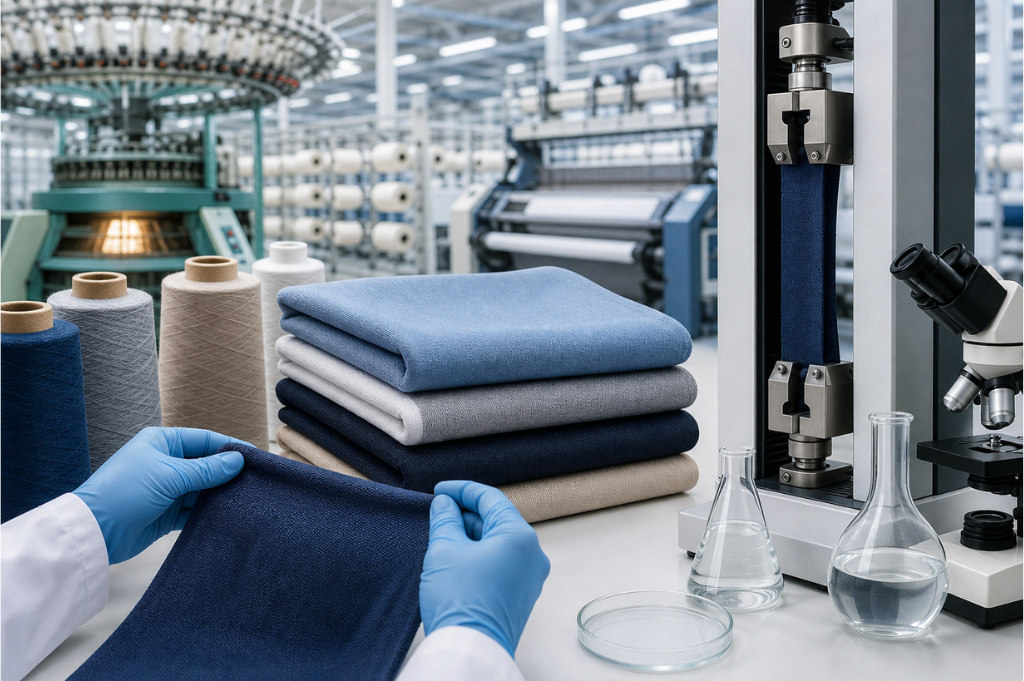
Why Indian Textile Manufacturers Need Professional Testing Services India’s textile industry serves a wide range of domestic and international markets, where product quality, consistency, durability, and compliance can directly influence business success. From yarn and fabric manufacturers to garment producers and exporters, businesses need confidence that their products meet the required specifications before they reach customers. This is where Textile Testing Services in India play an important role. Professional textile testing helps manufacturers evaluate important characteristics of fibres, yarns, fabrics, and finished textile products. Testing can identify quality variations, performance issues, and potential production problems before they become costly customer complaints or rejected consignments. For manufacturers looking for dependable testing support, ATL Labs provides laboratory testing solutions for textile and other industrial requirements. What Are Textile Testing Services? Textile testing involves laboratory examination of textile materials and products to determine whether they meet specified quality and performance requirements. Depending on the product and testing objective, testing may be carried out on: Fibres Yarn Fabric Garments Finished textile products Other textile materials Different tests can evaluate properties such as strength, dimensions, construction, durability, colour-related characteristics, and other relevant quality parameters. The exact testing requirements depend on the material, intended application, customer specifications, applicable standards, and regulatory or export requirements. Why Do Indian Textile Manufacturers Need Professional Testing? Textile manufacturing involves multiple stages, and a quality issue at one stage can affect the final product. Professional testing provides manufacturers with objective laboratory information that can support better quality-control decisions. 1. To Maintain Consistent Product Quality Consistency is one of the biggest challenges in textile manufacturing. Variations in raw materials, production conditions, machinery, processing, and finishing can influence the final product. Regular testing helps manufacturers identify variations and compare results against their internal specifications or customer requirements. This can support more consistent production from batch to batch. 2. To Identify Material and Production Problems A textile product may appear acceptable visually while still having performance-related issues. Laboratory testing can help identify properties that may not be obvious during routine visual inspection. Test results can provide manufacturers with useful information for investigating issues related to yarn, fabric, or finished products. Early identification can help reduce unnecessary rework, production losses, and customer complaints. 3. To Meet Customer Specifications Textile manufacturers often work with specific requirements provided by buyers. These requirements may cover particular physical, chemical, or performance characteristics. Professional Textile Testing Services in India can help manufacturers evaluate whether their products meet the agreed specifications before dispatch. This is particularly important when supplying large buyers, private-label brands, or international customers. 4. To Support Export Quality Requirements Indian textile exporters operate in highly competitive international markets. Buyers may expect documented testing and quality information before accepting products. Depending on the product and destination market, manufacturers may need to demonstrate conformity with specified testing methods or standards. Reliable laboratory testing can therefore become an important part of an export-quality management process. Understanding Textile Testing Standards in India Textile Testing Standards India is an important consideration when selecting tests and interpreting laboratory results. Different textile products can require different test methods and specifications. Manufacturers may need to consider applicable Indian standards, international standards, customer-specific specifications, or destination-market requirements. The correct testing approach should therefore be selected based on: Type of textile material Intended product application Customer specifications Applicable standard or test method Regulatory requirements Export-market requirements Quality-control objectives Manufacturers should avoid selecting tests solely because they are commonly used. The testing programme should be relevant to the product and its intended use. What Textile Products Can Be Tested? Professional textile laboratories can support testing requirements across different stages of textile production. Yarn Testing Yarn quality can influence fabric performance and production efficiency. Depending on the requirement, yarn testing may examine parameters such as: Yarn strength Yarn count Twist Elongation Other relevant physical characteristics Testing can help manufacturers monitor yarn quality and investigate production-related issues. Fabric Testing Fabric Testing in Coimbatore is particularly relevant for textile manufacturers and businesses in and around the region. Fabric testing can help evaluate important characteristics related to quality and performance. Depending on the fabric type and requirement, testing may cover parameters associated with strength, construction, dimensional behaviour, colour, durability, and other specified properties. Laboratory results can help manufacturers make more informed quality-control decisions. Garment and Finished Product Testing Testing requirements do not necessarily stop at yarn or fabric. Finished textile products may also require evaluation depending on their application and buyer requirements. Testing at the finished-product stage can provide additional confidence that the final product meets the required specifications. How Professional Textile Testing Helps Reduce Business Risk Testing is not simply about obtaining a laboratory report. It can also support better decision-making throughout the manufacturing process. A professional testing programme can help manufacturers: Detect → Analyse → Correct → Improve For example, if a test identifies an unexpected variation in a material, the manufacturer can investigate the relevant production stage and take corrective action. This approach can help reduce: Product rejection Rework Material wastage Customer complaints Production inconsistencies Quality-related delays The actual benefits depend on the product, testing programme, and manufacturer’s quality-control process. Why Choose a Professional Textile Testing Laboratory in India? Not every testing requirement is the same. Manufacturers should choose a laboratory based on the relevance of its testing capabilities, quality systems, scope, reporting practices, and suitability for their specific requirements. When evaluating a Textile Testing Laboratory in India, consider: Testing Scope Check whether the laboratory offers the tests relevant to your material and product requirements. Quality and Accreditation Consider laboratories that operate under appropriate quality systems and have relevant accreditation or recognition for the testing services required. Technical Capability A suitable laboratory should have appropriate testing equipment, trained personnel, and processes for handling textile samples. Clear Reporting Test reports should present results clearly so manufacturers can understand and use the information for quality-control or customer requirements. Turnaround Time Timely test results can be important when manufacturers are working with production schedules, dispatch deadlines, or export timelines. Textile Testing for
How Textile Testing Laboratories Help Indian Exporters Meet International Standards
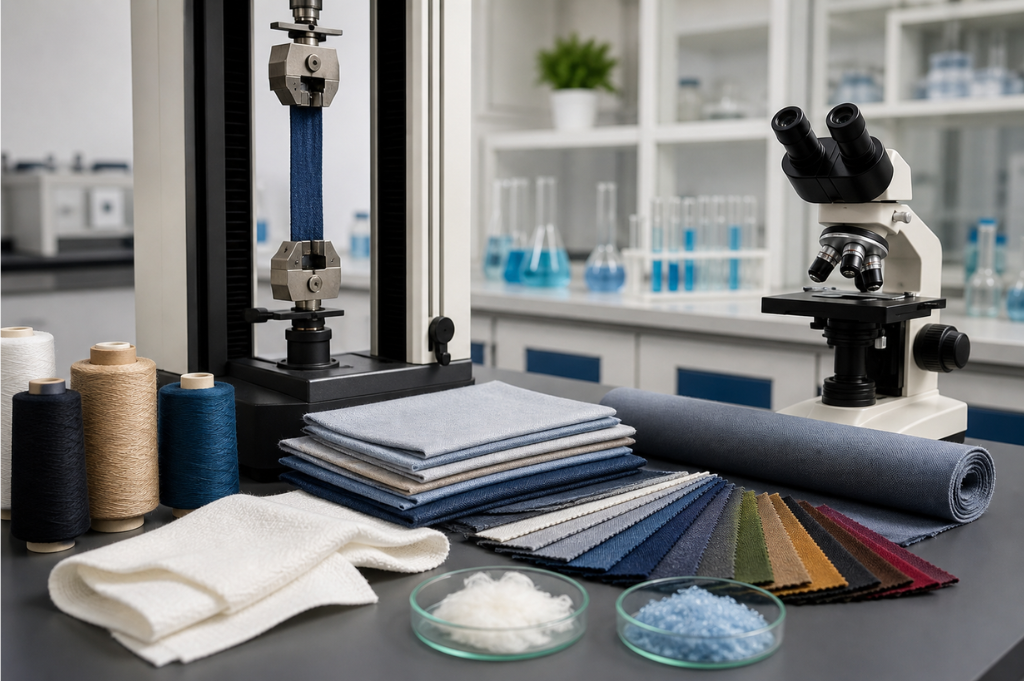
How Textile Testing Laboratories Help Indian Exporters Meet International Standards India is one of the world’s major textile and apparel manufacturing and exporting countries. However, entering international markets requires more than producing visually appealing fabrics and garments. Exporters must demonstrate that their products meet specific quality, performance, chemical safety, and regulatory requirements. This is where a top textile testing laboratory in India plays an important role. Professional textile testing helps manufacturers and exporters identify quality issues, verify product performance, and prepare products for the requirements of international buyers and markets. A reliable NABL accredited textile laboratory can support businesses throughout the quality assurance process, from testing raw materials and yarn to evaluating finished fabrics and textile products. For professional laboratory testing support, visit ATL Labs. Why Textile Testing Is Important for Indian Exporters International buyers often have strict requirements regarding the quality and safety of textile products. A product that meets domestic requirements may still require additional testing before it can be accepted in overseas markets. Textile testing can help exporters evaluate important characteristics such as: Fabric strength and durability Colour fastness Dimensional stability Fibre composition Chemical safety Yarn quality Performance after washing Resistance to abrasion and wear By identifying potential issues before shipment, exporters can reduce the risk of rejected consignments, customer complaints, returns, and damage to their brand reputation. How a Top Textile Testing Laboratory in India Supports Exporters A top textile testing laboratory in India provides technical testing services that help exporters evaluate whether their products meet relevant specifications. 1. Verifying Product Quality Before Export Quality testing allows manufacturers to check whether fabrics and textile products perform as expected. For example, testing may evaluate tensile strength, tear resistance, colour fastness, shrinkage, and other physical characteristics. This helps exporters identify defects or inconsistencies before products reach international buyers. Early testing can also reduce the cost of correcting quality problems at later stages of production. 2. Supporting International Buyer Requirements Different buyers, brands, and markets may have their own technical specifications and testing requirements. A professional NABL accredited textile laboratory can help businesses obtain reliable testing data based on applicable standards and customer specifications. This enables exporters to make informed decisions about product quality before shipment. 3. Ensuring Fabric Performance Fabric performance is an important factor for international customers. A garment may look attractive but fail to meet expectations if it shrinks excessively, loses colour, tears easily, or performs poorly after repeated washing. Through Best Fabric testing services in Coimbatore, textile manufacturers and exporters can evaluate critical performance parameters before their products enter the supply chain. Common areas of evaluation may include: Colour fastness to washing and rubbing Tensile and tear strength Fabric construction Dimensional changes after washing Abrasion resistance Fibre composition These tests help exporters maintain consistent quality across production batches. The Role of Yarn Testing Services in Textile Export Quality Quality control begins before fabric production. Yarn properties can directly influence the strength, appearance, consistency, and performance of the finished textile. Professional yarn testing services in Coimbatore can help manufacturers evaluate important yarn characteristics during the production and quality control process. Important Yarn Quality Parameters Depending on the product and testing requirements, yarn evaluation may focus on parameters such as: Yarn count Tensile properties Twist Evenness Imperfections Strength and elongation By identifying quality variations at the yarn stage, manufacturers can take corrective action before those issues affect fabric or finished garments. Why Choose a NABL Accredited Textile Laboratory? Working with a NABL accredited textile laboratory can provide exporters with greater confidence in the reliability and competence of laboratory testing processes. Laboratory accreditation demonstrates that the laboratory operates within a defined quality system and technical framework for the scope in which it is accredited. For exporters, reliable laboratory testing can support: Quality assurance programs Buyer confidence Product verification Technical documentation Consistent testing processes Businesses should always verify that the required test or service falls within the laboratory’s applicable scope and capabilities. Textile Testing and Global Market Compliance International textile trade involves a wide range of standards, regulations, and customer specifications. The exact requirements can vary depending on: Destination country Type of textile product End use Buyer requirements Applicable regulations Product safety expectations A top textile testing laboratory in India can help exporters understand the testing parameters relevant to their products and quality objectives. However, testing requirements should be selected based on the applicable market, product category, and customer specifications rather than using a one-size-fits-all approach. How Textile Testing Helps Prevent Export Rejections Export rejection can result in significant financial and operational challenges. A shipment that fails to meet agreed specifications may lead to delays, rework, replacement costs, or loss of customer trust. Pre-shipment textile testing helps businesses identify potential concerns earlier. Benefits of Pre-Export Textile Testing Detect quality issues before shipment Improve product consistency Support buyer quality requirements Reduce the risk of complaints and returns Strengthen quality control processes Build confidence with international customers For manufacturers working with global brands, consistent testing can become an important part of maintaining long-term business relationships. Choosing the Right Textile Testing Partner Not every laboratory may offer the same testing capabilities. Before selecting a laboratory, textile manufacturers and exporters should consider several factors. Key Factors to Consider Relevant testing capabilities: Ensure the laboratory can perform the tests required for your textile product. Accreditation and scope: Check whether the required services are covered under the laboratory’s relevant accreditation scope. Experience with textile products: A laboratory with appropriate technical expertise can better understand product-specific testing requirements. Reporting and turnaround time: Clear reports and timely testing can support faster quality decisions. Location and accessibility: Businesses looking for Best Fabric testing services in Coimbatore or yarn testing services in Coimbatore may benefit from working with a conveniently located laboratory that can support their quality control workflow. Why ATL Labs Can Support Your Textile Testing Requirements ATL Labs provides laboratory testing services designed to support manufacturers, businesses, and industries with their quality and testing requirements. For textile manufacturers and exporters, professional testing can help evaluate product
Top Textile Testing Laboratory in India for Garments, Fabrics, and Home Textiles

Top Textile Testing Laboratory in India for Garments, Fabrics, and Home Textiles The Indian textile industry is one of the largest contributors to global textile production and exports. As international quality standards continue to evolve, textile manufacturers, exporters, garment brands, and home textile producers must ensure that their products meet stringent quality, safety, and compliance requirements. This is where a Top Textile Testing Laboratory in India plays a crucial role. Professional textile testing helps manufacturers maintain product quality, improve customer satisfaction, meet buyer expectations, and comply with international regulations. In this guide, we’ll explore the importance of textile testing, the services offered by a NABL Accredited Textile Testing Laboratory, and how choosing the right Fabric Testing Laboratory India can support business growth and export success. Why Textile Testing Is Essential for the Textile Industry Textile products undergo multiple manufacturing processes before reaching consumers. Any variation in fabric quality, chemical composition, color fastness, or performance can lead to product failures, customer complaints, and financial losses. A reliable Top Textile Testing Laboratory in India helps manufacturers verify product quality at every stage of production. Benefits of Textile Testing Ensures product consistency Improves fabric performance Reduces customer complaints Supports export compliance Enhances brand reputation Identifies manufacturing issues early Professional Textile Testing Services India helps businesses deliver high-quality products while minimizing risks. What Does a Textile Testing Laboratory Do? A textile testing laboratory evaluates fabrics, garments, yarns, fibers, home textiles, and textile chemicals to determine whether they meet required quality standards. Testing helps manufacturers understand how textile products will perform during use, washing, handling, and environmental exposure. Common Textile Testing Services India Physical Testing Physical testing evaluates fabric durability and performance characteristics such as: Tensile strength Tear strength Seam slippage Fabric weight (GSM) Abrasion resistance Pilling resistance Chemical Testing Chemical testing helps identify harmful substances and verify compliance with industry regulations. Tests may include: Fiber Analysis pH analysis Restricted substances testing Chemical residue analysis Heavy metal testing Formaldehyde testing Color Fastness Testing Color fastness testing determines how well a fabric retains its color during: Washing Rubbing Perspiration Light exposure Water contact This is particularly important for garments and home textiles intended for export markets. Why Choose a NABL Accredited Textile Testing Laboratory? A NABL Accredited Textile Testing Laboratory follows internationally recognized testing procedures and quality management systems. Accreditation demonstrates technical competence, reliable testing methods, and accurate reporting. Advantages of NABL Accreditation Globally recognized test reports Improved credibility Accurate and reliable results Compliance with industry standards Increased buyer confidence Manufacturers working with a NABL Accredited Textile Testing Laboratory gain greater assurance that their products meet both domestic and international requirements. Textile Testing for Garments Garment manufacturers face increasing pressure to deliver durable, comfortable, and safe products. A Top Textile Testing Laboratory in India helps garment manufacturers evaluate: Garment Performance Tests Seam strength Dimensional stability Fabric shrinkage Color fastness Fabric composition Performance after washing These tests help ensure customer satisfaction and reduce product returns. Textile Testing for Fabrics Fabric quality directly impacts the performance of finished products. A professional Fabric Testing Laboratory India provides detailed analysis of fabric characteristics before garments or home textiles are manufactured. Key Fabric Testing Parameters Fabric strength Fiber identification Fabric construction analysis Air permeability Moisture management Thermal properties Testing enables manufacturers to optimize production and maintain consistent quality. Textile Testing for Home Textiles Home textile products such as bedsheets, curtains, towels, upholstery fabrics, and cushions require rigorous testing to meet quality expectations. Home Textile Testing Services Color fastness evaluation Durability testing Flammability testing Chemical safety testing Performance testing A Top Textile Testing Laboratory in India helps manufacturers ensure their home textile products meet market requirements and buyer specifications. How Textile Testing Supports Export Compliance Global buyers increasingly require textile products to comply with international quality and safety standards. Professional Textile Testing Services India help exporters verify compliance before shipment. Export Benefits Reduced shipment rejections Improved buyer confidence Faster market acceptance Better product quality assurance Compliance with global regulations Testing serves as an important quality assurance tool for exporters targeting international markets. Why Analytical Technology Laboratory Is a Trusted Textile Testing Partner Analytical Technology Laboratory offers comprehensive textile testing solutions designed to support manufacturers, exporters, garment producers, and home textile companies. Our services focus on: Textile quality testing Fabric performance evaluation Chemical analysis Compliance testing Reliable laboratory reporting As a professional testing laboratory, Analytical Technology Laboratory is committed to delivering accurate results that help businesses improve product quality and meet industry standards. How to Select the Best Textile Testing Laboratory in India When choosing a testing partner, consider the following factors: Accreditation Work with a NABL Accredited Textile Testing Laboratory that follows recognized testing standards. Technical Expertise Choose laboratories with experienced testing professionals and modern equipment. Testing Capabilities Ensure the laboratory offers comprehensive Textile Testing Services India covering physical, chemical, and performance testing. Reporting Accuracy Reliable reports help manufacturers make informed production decisions and maintain compliance. Future of Textile Testing in India As sustainability, compliance, and quality requirements continue to grow, textile testing will become even more important for manufacturers and exporters. Companies investing in professional testing services are better positioned to: Meet buyer expectations Improve product quality Reduce risks Expand export opportunities Strengthen brand reputation A trusted Top Textile Testing Laboratory in India serves as a strategic partner in achieving these objectives. Conclusion Selecting a Top Textile Testing Laboratory in India is essential for manufacturers seeking to maintain quality, ensure compliance, and compete in global markets. Whether you produce garments, fabrics, or home textiles, professional testing helps verify product performance, improve customer satisfaction, and support long-term business growth. By partnering with a NABL Accredited Textile Testing Laboratory and utilizing comprehensive Textile Testing Services India, businesses can confidently deliver products that meet industry standards and customer expectations. Get Expert Textile Testing Support Need reliable textile testing services? 📞 Call Now: 95008 95001 Partner with Analytical Technology Laboratory for accurate, dependable, and professional textile testing solutions. Enquiry
