
Latest FSSAI Regulations for Seafood Testing in India (2026)
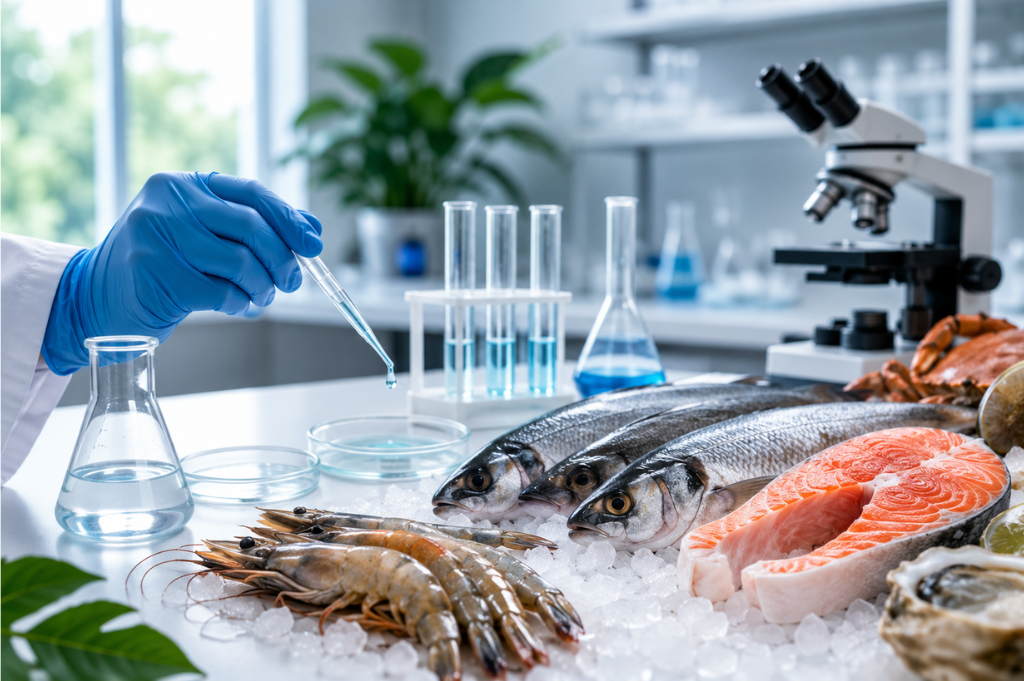
India is one of the world’s leading exporters of seafood, supplying fish, shrimp, crab, and other marine products to international markets. As consumer awareness and food safety standards continue to evolve, seafood manufacturers and exporters must ensure their products meet stringent quality and safety requirements. Partnering with a trusted Seafood Testing Laboratory in India is essential for maintaining compliance, protecting public health, and strengthening export opportunities.
Regular laboratory testing helps identify microbiological, chemical, and heavy metal contaminants before products reach consumers. It also supports food businesses in meeting FSSAI requirements and international buyer expectations.
Why Seafood Testing Is Important
Seafood is highly nutritious but also highly perishable. Without proper quality control, contamination can occur during harvesting, processing, storage, or transportation. Laboratory testing helps businesses verify product safety and reduce risks before products enter the market.
Routine seafood testing helps businesses:
- Meet food safety regulations
- Improve product quality
- Protect consumer health
- Reduce export rejection
- Strengthen brand reputation
- Build customer confidence
Working with a reliable Seafood Testing Laboratory in India helps manufacturers maintain consistent quality while meeting regulatory expectations.
Understanding FSSAI Requirements for Seafood Testing
The Food Safety and Standards Authority of India (FSSAI) establishes food safety standards to protect consumers and ensure product quality. Seafood businesses are expected to implement proper food safety practices and verify product quality through laboratory analysis where applicable.
Routine testing supports compliance by helping businesses monitor:
- Microbiological quality
- Chemical contaminants
- Heavy metal contamination
- Antibiotic residues
- General food quality parameters
Testing reports also support internal quality assurance and customer confidence.
Heavy Metal Testing for Seafood
One of the most important aspects of seafood quality control is Heavy Metal Testing for Seafood. Marine products can absorb heavy metals from water and the surrounding environment. Regular testing helps identify contamination and supports food safety compliance.
Common heavy metals that may be monitored include:
- Mercury
- Lead
- Cadmium
- Arsenic
Routine testing helps seafood processors and exporters demonstrate product quality while reducing regulatory and commercial risks.
Key Seafood Testing Parameters
A professional NABL Seafood Testing Laboratory India performs multiple analyses depending on the product type and customer requirements.
Microbiological Testing
Checks for microorganisms that may affect food safety and shelf life.
Heavy Metal Testing
Detects heavy metals that may accumulate in seafood products.
Chemical Analysis
Evaluates important chemical quality parameters to support food safety and product consistency.
Antibiotic Residue Testing
Helps verify compliance with customer specifications and applicable food safety requirements.
Shelf Life Testing
Assesses product stability under recommended storage conditions.
Why Choose a NABL Seafood Testing Laboratory India?
Selecting a NABL Seafood Testing Laboratory India provides confidence that testing is performed using validated methods and recognized quality systems.
Benefits include:
- Accurate analytical results
- Qualified laboratory professionals
- Advanced testing instruments
- Reliable reporting
- Quality-assured laboratory processes
For seafood manufacturers and exporters, choosing an accredited laboratory helps strengthen quality assurance and supports regulatory compliance.
Who Needs Seafood Testing?
Seafood testing is valuable for:
- Seafood processors
- Fish exporters
- Shrimp exporters
- Aquaculture businesses
- Cold storage facilities
- Seafood importers
- Food manufacturers
- Retail seafood brands
Regular testing helps these businesses maintain product quality and meet customer expectations.
Choosing the Right Seafood Testing Laboratory in India
Selecting the right Seafood Testing Laboratory in India is essential for obtaining accurate, reliable, and timely results. Before choosing a laboratory, consider the following factors:
- NABL Accreditation for recognized quality standards
- Advanced Testing Equipment such as LC-MS/MS, GC-MS/MS, and ICP-MS
- Experienced Scientists with expertise in seafood analysis
- Comprehensive Testing Services, including microbiological, chemical, heavy metal, and antibiotic residue testing
- Fast Turnaround Time to support production and export schedules
A reliable laboratory helps businesses meet regulatory requirements while maintaining product quality and customer trust.
Domestic vs Export Seafood Testing
Domestic Market | Export Market |
Supports FSSAI compliance | Meets importing country requirements |
Ensures food safety | Prevents export shipment rejection |
Improves product quality | Satisfies international buyers |
Builds consumer confidence | Supports global market access |
For exporters, routine laboratory testing is essential to meet buyer specifications and maintain uninterrupted international trade.
Why Choose Analytical Technology Laboratory?
If you’re looking for a trusted Seafood Testing Laboratory in India, Analytical Technology Laboratory offers comprehensive seafood testing services to support manufacturers, exporters, and seafood processors.
Why Analytical Technology Laboratory?
- NABL-accredited laboratory
- Advanced analytical testing facilities
- Experienced scientific professionals
- Accurate and reliable reports
- Quick turnaround time
- Technical support for food safety compliance
As one of the Top Seafood Testing Labs in India, ATL Labs helps businesses maintain product quality and comply with national and international food safety standards.
Best Practices for Seafood Businesses
To ensure seafood safety and compliance:
- Source seafood from approved suppliers.
- Maintain hygienic processing and storage conditions.
- Conduct regular microbiological and Heavy Metal Testing for Seafood.
- Verify finished products before dispatch.
- Keep laboratory reports for quality audits.
- Partner with a trusted NABL Seafood Testing Laboratory India for routine testing.
These practices help reduce risks, improve product quality, and strengthen customer confidence.
Conclusion
Seafood testing plays a vital role in protecting consumer health, maintaining product quality, and supporting regulatory compliance. As food safety expectations continue to evolve, partnering with a trusted Seafood Testing Laboratory in India helps manufacturers and exporters meet quality standards while building confidence among customers and global buyers.
Choosing a NABL Seafood Testing Laboratory India ensures accurate testing, dependable reports, and professional technical support. Whether you supply the domestic market or export seafood internationally, regular testing is an investment in quality, compliance, and long-term business success.
📞 Call Now: +91 95008 95001
