
Food Test Labs in Coimbatore for Local Manufacturers
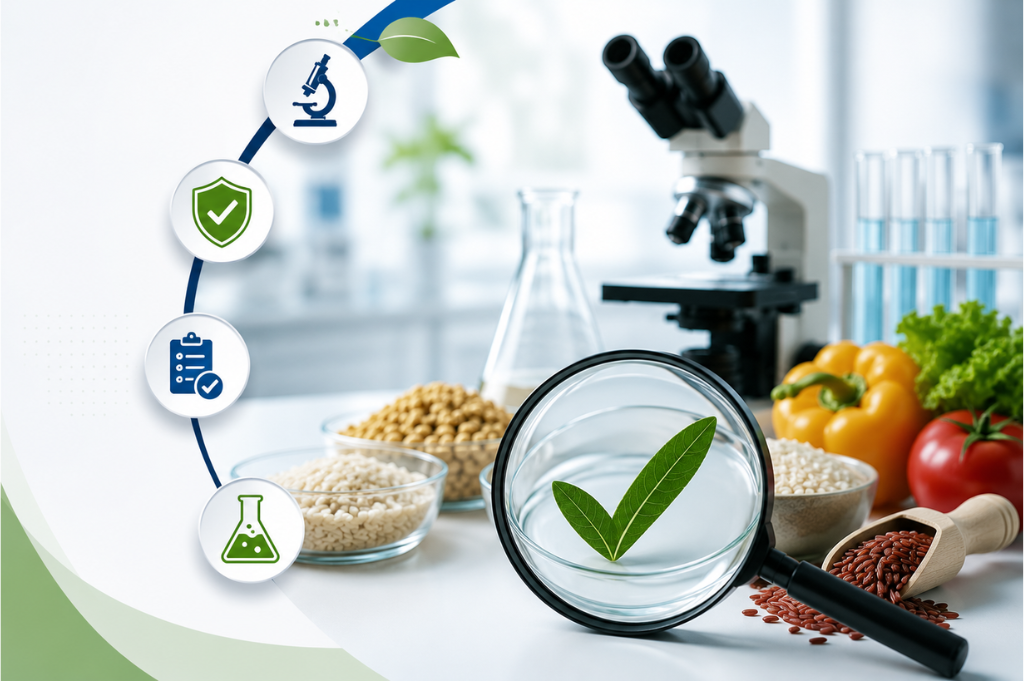
For food manufacturers, maintaining consistent product quality and complying with food safety regulations are essential for long-term business success. Whether you produce packaged foods, dairy products, spices, beverages, edible oils, seafood, or ready-to-eat products, laboratory testing plays a vital role in ensuring your products meet industry standards.
This is one of the main reasons why food test labs in Coimbatore have become the preferred choice for local manufacturers. These laboratories provide accurate, reliable, and timely testing services that help businesses comply with FSSAI regulations, improve product quality, and build consumer confidence.
In this guide, you’ll learn why local manufacturers trust food testing laboratories in Coimbatore, what services they offer, and how choosing the right laboratory can benefit your business.
What Is an NABL Accredited Food Testing Laboratory?
A NABL Accredited Food Testing Laboratory is a laboratory that has been assessed for technical competence and follows internationally recognized quality standards under ISO/IEC 17025.
An accredited laboratory ensures:
- Accurate and reliable test results
- Standardized testing procedures
- Qualified technical experts
- Calibrated laboratory equipment
- Globally accepted testing reports
For food manufacturers, working with an accredited laboratory reduces compliance risks and increases confidence among regulators, retailers, and customers.
Why Local Food Manufacturers Prefer Food Test Labs in Coimbatore
Coimbatore has become one of Tamil Nadu’s leading industrial and food manufacturing hubs. Local food businesses benefit from nearby testing laboratories that understand regional industries, regulatory requirements, and production timelines.
Key reasons include:
Faster Sample Processing
Sending food samples to distant laboratories often increases transportation time and delays production.
Local laboratories offer:
- Faster sample collection
- Reduced logistics costs
- Quicker testing turnaround
- Faster product release
Better Understanding of FSSAI Compliance
An experienced FSSAI Food Testing Laboratory helps manufacturers comply with food safety regulations by testing products according to applicable standards.
Typical compliance testing includes:
- Nutritional analysis
- Chemical analysis
- Microbiological testing
- Heavy metal analysis
- Pesticide residue testing
- Food adulteration testing
This minimizes regulatory risks during inspections and audits.
Reliable Food Quality Testing Services
Consistent product quality directly impacts customer satisfaction and brand reputation.
Professional Food Quality Testing Services help manufacturers verify:
- Product consistency
- Ingredient quality
- Shelf life
- Safety standards
- Label accuracy
- Regulatory compliance
Routine testing also reduces product recalls and customer complaints.
How Food Testing Helps Local Manufacturers Grow
Food testing is not only about meeting regulations—it also supports business growth.
Benefits include:
- Increased consumer trust
- Better retailer acceptance
- Export readiness
- Reduced production losses
- Stronger quality control
- Improved brand reputation
Manufacturers supplying supermarkets, distributors, hotels, and exporters often require certified laboratory reports before products enter the market.
Step-by-Step: How Food Testing Works
Understanding the testing process helps manufacturers plan production efficiently.
Step 1: Sample Collection
Representative food samples are collected according to laboratory guidelines.
Step 2: Laboratory Registration
Each sample receives a unique identification number for complete traceability.
Step 3: Scientific Analysis
Experts perform required analyses such as:
- Chemical testing
- Microbiological testing
- Physical testing
- Nutritional analysis
- Contaminant detection
Step 4: Quality Verification
Results are reviewed and verified by qualified laboratory professionals.
Step 5: Test Report
A detailed laboratory report is issued, helping manufacturers demonstrate compliance with applicable standards.
How Long Does Food Testing Take?
The testing timeline depends on the product type and required analyses.
Typical turnaround times include:
Test Type | Estimated Time |
Basic Chemical Testing | 2–5 Working Days |
Microbiological Testing | 3–7 Working Days |
Nutritional Analysis | 5–10 Working Days |
Shelf Life Studies | Several Weeks to Months |
Specialized Contaminant Testing | Varies by Test |
Planning testing early helps avoid production delays.
Industries That Benefit from Food Testing
Food testing laboratories support a wide range of industries, including:
- Dairy manufacturers
- Spice manufacturers
- Beverage companies
- Snack food producers
- Bakery manufacturers
- Rice mills
- Flour mills
- Oil manufacturers
- Packaged food companies
- Seafood processors
- Exporters
Marine and Aquaculture Testing for Seafood Businesses
Seafood manufacturers require specialized testing to ensure product safety before domestic distribution or export.
Marine and Aquaculture Testing typically includes:
- Microbiological analysis
- Heavy metal testing
- Residue analysis
- Water quality testing
- Feed testing
- Export compliance testing
These services help seafood businesses meet national and international quality requirements.
Why Choose an NABL Accredited Laboratory?
Choosing an accredited laboratory offers several advantages:
- Internationally recognized testing methods
- Reliable and repeatable results
- Experienced technical professionals
- Modern analytical instruments
- Regulatory compliance support
- Trusted documentation for audits and certifications
For growing food manufacturers, accredited testing provides confidence throughout the supply chain.
Best Practices for Food Manufacturers
To maintain consistent product quality:
- Test raw materials regularly.
- Monitor production batches.
- Validate packaging materials.
- Conduct routine microbiological testing.
- Verify nutritional labeling.
- Maintain proper documentation.
- Schedule periodic quality audits.
Regular testing helps prevent quality issues before products reach customers.
Common Mistakes to Avoid
Many manufacturers delay testing until the final production stage.
Avoid these common mistakes:
- Skipping raw material testing
- Using non-accredited laboratories
- Ignoring shelf life studies
- Delaying microbiological testing
- Not maintaining testing records
- Waiting until regulatory inspections
Preventive testing is always more cost-effective than corrective action.
Conclusion
Choosing reliable food test labs in Coimbatore is a strategic investment for food manufacturers seeking consistent quality, regulatory compliance, and long-term business growth. From FSSAI Food Testing Laboratory services to comprehensive Food Quality Testing Services and Marine and Aquaculture Testing, professional laboratories help businesses deliver safe, compliant, and high-quality food products to the market.
Whether you are a startup, an established manufacturer, or an exporter, partnering with an experienced, NABL-accredited laboratory can streamline compliance, reduce risks, and strengthen customer confidence.
Ready to Ensure the Safety and Quality of Your Food Products?
Partner with Analytical Technology Laboratory, a trusted NABL-accredited testing laboratory in Coimbatore, for accurate food testing, regulatory compliance, and expert technical support.
Contact our team today to discuss your testing requirements and receive expert guidance.
📞 Call: +91 95008 95001 | 📧 Email: enquiry@atlabs.co.in
