
RO Water Quality Testing in Coimbatore: Important Parameters to Check

RO Water Quality Testing in Coimbatore: Important Parameters to Check Reverse osmosis (RO) systems are widely used in homes, commercial establishments, industries, hotels, hospitals, educational institutions and food-processing facilities to improve water quality. However, installing an RO system does not automatically mean that the treated water is safe or suitable for its intended use. Regular RO Water Quality Testing in Coimbatore helps determine whether the treatment system is performing effectively and whether the final water meets applicable quality requirements. Laboratory testing can identify changes in physical, chemical and microbiological characteristics that may not be visible, detectable by taste or identified through an RO system’s display panel. For businesses using RO-treated water, testing is particularly important because water quality can influence product quality, process performance, hygiene and regulatory compliance. Why Is RO Water Quality Testing Important? RO membranes are designed to reduce dissolved salts, certain contaminants and other impurities. However, water quality can vary depending on the original source, membrane condition, pretreatment, storage, distribution system and maintenance practices. A water sample that looks clear may still contain undesirable chemical or microbiological contaminants. Professional RO Water Quality Testing in Coimbatore can help businesses: Verify the effectiveness of an RO treatment system Identify changes in water quality Monitor dissolved salts and mineral content Detect microbiological contamination Evaluate source-water characteristics Support quality-control programs Maintain appropriate records for audits and compliance Determine whether additional treatment may be required The right testing parameters depend on the source of water and its intended use. Important Water Quality Parameters to Check After RO Treatment There is no single test parameter that can determine overall water quality. A laboratory normally evaluates a combination of physical, chemical and microbiological parameters based on the purpose of testing. 1. pH pH indicates whether water is acidic, neutral or alkaline. It is one of the basic parameters considered in drinking-water quality assessment. Monitoring pH is useful for evaluating treated water and identifying significant changes that may affect treatment performance, corrosion or other water-quality characteristics. For drinking water, IS 10500:2012 specifies an acceptable pH range of 6.5–8.5. 2. Total Dissolved Solids (TDS) TDS represents the concentration of dissolved substances in water, including various salts and minerals. RO systems are specifically used to reduce dissolved solids, making TDS an important parameter for evaluating the performance of an RO treatment system. However, TDS alone should not be used as proof that water is safe to drink. Other chemical and microbiological parameters should also be considered. 3. Electrical Conductivity Electrical conductivity provides an indication of the water’s ability to conduct electricity and is related to the concentration of dissolved ionic substances. Comparing conductivity before and after RO treatment can provide useful information about treatment performance and changes in dissolved ionic content. 4. Turbidity Turbidity measures the cloudiness of water caused by suspended particles. Low turbidity is an important aspect of treated drinking water because excessive suspended material can interfere with treatment and may affect disinfection effectiveness. Indian drinking-water guidance includes turbidity among the key parameters used for water-quality assessment. 5. Total Hardness Hardness is mainly associated with calcium and magnesium in water. Testing total hardness is useful for understanding the mineral characteristics of source water and evaluating treatment performance. High hardness can also contribute to scaling in water-treatment equipment and pipelines. 6. Calcium and Magnesium Calcium and magnesium are important contributors to water hardness. Testing these parameters can help identify the mineral composition of water and support evaluation of RO performance, particularly when source water has a high mineral load. 7. Chloride Chloride is a commonly tested chemical parameter in water-quality analysis. Elevated chloride levels can contribute to undesirable taste and may increase the risk of corrosion in certain circumstances. Testing chloride before and after treatment can therefore be useful when evaluating an RO system. 8. Sulphate Sulphate is another important dissolved chemical parameter. Testing sulphate can help assess source-water quality and determine whether treatment is adequately reducing particular dissolved constituents where required. 9. Fluoride Fluoride testing can be particularly relevant when groundwater or borewell water is used as the source. Groundwater chemistry varies significantly by location, and fluoride levels can therefore require specific monitoring. The Jal Jeevan Mission includes fluoride among its basic drinking-water quality parameters. 10. Nitrate Nitrate is an important parameter for groundwater and drinking-water assessment. Potential sources include agricultural activities, wastewater and other environmental sources. Regular testing can help identify changes in source-water quality and determine whether treatment is adequate for the intended application. 11. Iron and Manganese Iron and manganese can occur naturally in groundwater and may cause colour, staining, taste or operational problems at elevated concentrations. Testing these parameters is particularly useful for facilities using Groundwater & Borewell Water Testing as part of their water-quality monitoring program. 12. Arsenic and Other Trace Elements Depending on the source and local risk profile, water may require testing for trace elements such as arsenic, lead, cadmium, chromium, nickel and other relevant contaminants. These parameters are generally considered based on the water source, intended use, risk assessment and applicable standards. 13. Total Coliforms and E. coli Chemical testing alone cannot establish microbiological safety. Total coliforms and E. coli are important microbiological indicators used in drinking-water quality monitoring. The Jal Jeevan Mission identifies both among the basic minimum parameters for drinking-water testing. This makes microbiological testing especially important for RO water used for drinking, food production, catering and other applications where hygiene is critical. RO Water Testing vs. Source Water Testing One common mistake is testing only the water coming out of the RO system. A more useful monitoring approach can involve comparing: Source Water → RO Inlet → RO Outlet → Storage/Distribution Point For example, if a facility uses borewell water, Groundwater & Borewell Water Testing can establish the characteristics of the incoming water. Testing the RO-treated water can then help evaluate treatment performance. Testing stored water may also be relevant because contamination can occur after treatment through tanks, pipelines, dispensers or other distribution points. Water Testing Standards in India For drinking-water applications, laboratories
10 Reasons to Choose a Water Testing Laboratory in Tamil Nadu for Safe Drinking Water
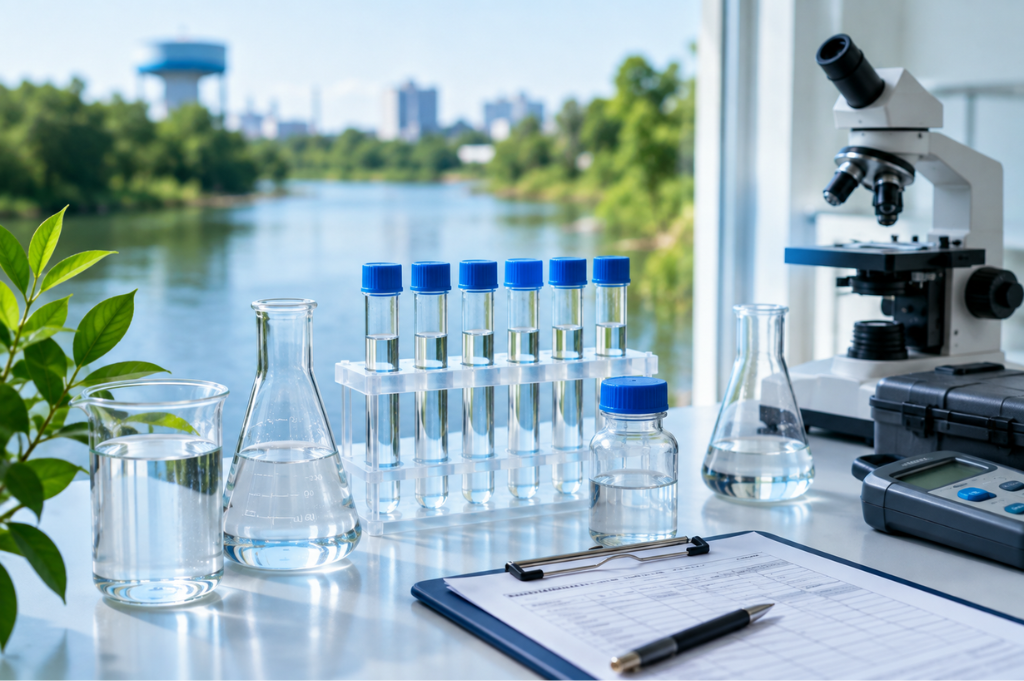
10 Reasons to Choose a Water Testing Laboratory in Tamil Nadu for Safe Drinking Water Access to clean and safe drinking water is essential for protecting public health. While water may appear clear and odorless, it can still contain harmful microorganisms, heavy metals, chemicals, and other contaminants that are invisible to the naked eye. That’s why professional laboratory testing has become increasingly important for homes, industries, educational institutions, hospitals, and commercial establishments. Choosing a trusted Water Testing Laboratory in Tamil Nadu ensures your water is scientifically analyzed for safety, quality, and compliance with applicable standards. Whether you rely on municipal water, borewell water, or packaged drinking water, regular testing helps identify potential issues before they become health risks. At ATL Labs, we provide comprehensive water testing services using advanced analytical instruments and standardized testing procedures to deliver reliable results. Why Choosing a Water Testing Laboratory in Tamil Nadu Matters Water quality can vary due to natural minerals, industrial activities, agricultural runoff, aging pipelines, or improper storage. Regular laboratory testing helps detect these issues early and supports informed decisions about water treatment and usage. Professional Water Quality Analysis helps ensure your drinking water meets safety standards while protecting your family, employees, customers, and business operations. 1. Accurate Water Quality Analysis Professional laboratories use validated analytical methods and advanced equipment to evaluate physical, chemical, and microbiological parameters. Comprehensive Water Quality Analysis includes testing for: pH Total Dissolved Solids (TDS) Hardness Chlorides Sulphates Fluoride Heavy Metals Microbiological Contamination Accurate testing provides reliable information about your water quality. 2. Detect Hidden Contaminants Many contaminants cannot be detected through appearance, taste, or smell. Laboratory testing identifies: Bacteria Viruses Heavy metals Chemical contaminants Nitrates Pesticide residues Excess minerals Regular testing helps prevent potential health risks associated with contaminated water. 3. Choose a NABL Accredited Water Testing Laboratory Selecting a NABL Accredited Water Testing Laboratory ensures testing follows recognized quality standards and validated procedures. Benefits include: Reliable results Qualified laboratory professionals Calibrated instruments Standardized testing methods Consistent quality assurance Accredited laboratories provide reports trusted by industries, institutions, and regulatory authorities. 4. Ensure Safe Drinking Water Water testing verifies whether drinking water is suitable for consumption. Testing helps identify: Disease-causing microorganisms Chemical contamination Excess fluoride Heavy metals Water hardness Safe drinking water contributes to improved public health and reduced health risks. 5. Support Industrial and Commercial Compliance Industries often require laboratory testing to monitor water quality used in manufacturing processes. Professional testing supports: Regulatory compliance Quality assurance Process consistency Equipment protection Customer confidence Routine monitoring reduces operational risks and supports efficient production. 6. Chemical Water Testing in Coimbatore for Better Water Management Businesses and industries in Coimbatore increasingly rely on Chemical Water Testing in Coimbatore to evaluate water quality for production, processing, and environmental compliance. Chemical analysis helps measure: Alkalinity Chlorides Sulphates Iron Calcium Magnesium Heavy metals Dissolved solids Accurate chemical testing supports better water management decisions. 7. Identify Water Problems Before They Become Serious Routine laboratory testing helps detect water quality issues before they affect health or business operations. Early detection can help prevent: Pipeline corrosion Scale formation Equipment damage Poor product quality Waterborne illnesses Preventive testing is more cost-effective than addressing problems after they occur. 8. Suitable for Homes, Industries, and Institutions A professional Water Testing Laboratory in Tamil Nadu serves various sectors, including: Residential Properties Drinking water testing Borewell water analysis Apartment water quality Industries Process water Boiler water Cooling water Industrial water quality Institutions Schools Hospitals Hotels Commercial buildings Customized testing helps meet specific water quality requirements. 9. Build Confidence Through Reliable Laboratory Reports Laboratory reports provide valuable insights into water quality and support informed decision-making. Reliable reports help: Verify water safety Support compliance Improve water treatment planning Demonstrate quality assurance Build trust with stakeholders Scientific analysis provides confidence that water meets intended usage requirements. 10. Protect Health, Business, and the Environment Safe water benefits individuals, communities, and businesses alike. Routine water testing helps: Protect public health Maintain regulatory compliance Improve operational efficiency Reduce maintenance costs Support sustainable water management Investing in professional laboratory testing is a proactive step toward long-term safety and quality. Why Choose ATL Labs? ATL Labs is a trusted Water Testing Laboratory in Tamil Nadu, providing comprehensive laboratory testing services for residential, commercial, industrial, and institutional clients. Our services include: Drinking Water Testing Borewell Water Testing Packaged Drinking Water Testing Industrial Water Testing Wastewater Analysis Microbiological Water Testing Water Quality Analysis Chemical Water Testing in Coimbatore We use advanced laboratory equipment, validated testing methods, and experienced technical professionals to deliver accurate and dependable results. Frequently Asked Questions 1. Why should I test my drinking water regularly? Regular testing helps identify harmful microorganisms, chemicals, heavy metals, and other contaminants that may not be visible. 2. What does a NABL Accredited Water Testing Laboratory offer? A NABL Accredited Water Testing Laboratory follows internationally recognized quality systems, validated methods, and standardized testing procedures to deliver reliable results. 3. What is included in Water Quality Analysis? Water Quality Analysis typically evaluates physical, chemical, and microbiological parameters such as pH, TDS, hardness, heavy metals, bacteria, and other quality indicators. 4. Why is Chemical Water Testing Important? Chemical Water Testing in Coimbatore helps identify dissolved chemicals, minerals, heavy metals, and other contaminants that may affect water safety, industrial processes, or product quality. 5. Who should use professional water testing services? Homeowners, industries, food manufacturers, hospitals, schools, hotels, commercial establishments, and institutions can all benefit from regular laboratory water testing. Conclusion Choosing a reliable Water Testing Laboratory in Tamil Nadu is one of the most effective ways to ensure safe drinking water, maintain regulatory compliance, and protect public health. Professional Water Quality Analysis provides accurate insights into water quality, while Chemical Water Testing in Coimbatore supports industries and businesses in maintaining operational efficiency and product quality. Whether you need residential, commercial, or industrial water testing, partnering with a trusted NABL Accredited Water Testing Laboratory gives you confidence that your water has been analyzed using recognized scientific methods and quality standards. 📞 Call Now: +91 95008 95001
Water Quality Testing for Apartments: Why Every Society Should Test Water

Water Quality Testing for Apartments: Why Every Society Should Test Water Clean and safe water is one of the most important requirements for healthy living. While many apartment residents assume their water supply is safe, contamination can occur at multiple stages from the municipal source to underground storage tanks and overhead reservoirs. This makes water quality testing a critical practice for every apartment complex and gated community. Regular testing helps identify harmful contaminants, ensures compliance with water quality standards, and protects residents from waterborne diseases. Whether your society relies on municipal water, borewell water, tanker water, or a combination of sources, periodic testing is essential for maintaining water safety. If you’re looking for professional Water Testing for Residential Communities, partnering with an accredited laboratory can provide accurate results and peace of mind. Why Water Quality Testing Is Important for Apartment Societies Apartment complexes often serve hundreds of residents through a shared water distribution system. Even if water leaves the treatment plant in good condition, contamination can occur due to: Poorly maintained overhead tanks Underground storage contamination Rusted pipelines Borewell contamination Tanker water quality issues Cross-connections with sewage lines Regular water quality testing helps identify these issues before they become health hazards. Benefits of Regular Water Testing Ensures safe drinking water Detects bacterial contamination Monitors chemical pollutants Protects children and elderly residents Increases resident confidence Helps housing societies comply with safety standards Prevents costly plumbing damage Why Water Testing for Residential Communities Matters Large residential communities consume thousands of litres of water every day. Water is used for: Drinking Cooking Bathing Cleaning Gardening Swimming pools Fire safety systems Since every resident depends on the same water source, even minor contamination can affect hundreds of families. Professional Water Testing for Residential Communities helps management committees: Verify water safety Identify contamination sources Improve maintenance planning Meet resident expectations Ensure regulatory compliance Common Water Quality Problems in Apartment Complexes Many apartment societies unknowingly face issues such as: Microbial Contamination Bacteria like E. coli and coliforms may enter water through damaged pipelines or poorly maintained tanks. High TDS Levels Excess dissolved salts can affect taste, appliance lifespan, and overall water quality. Hard Water High calcium and magnesium levels cause: Scale formation Reduced appliance efficiency Soap wastage Heavy Metals Old pipelines may introduce: Lead Iron Copper Manganese Chemical Contamination Groundwater or tanker water may contain: Nitrates Fluoride Chlorides Sulphates Essential Water Quality Parameters Every Society Should Test Understanding Water Quality Parameters is essential for ensuring safe water. Physical Parameters Colour Odour Turbidity Temperature Chemical Parameters pH Total Dissolved Solids (TDS) Hardness Chloride Fluoride Iron Nitrate Sulphate Alkalinity Microbiological Parameters Total Coliform E. coli Faecal Coliform Total Plate Count These Water Quality Parameters provide a complete picture of water safety and help determine whether treatment or maintenance is required. How Often Should Apartment Societies Conduct Water Quality Testing? Experts recommend the following schedule: Water Source Recommended Testing Frequency Drinking Water Every 3–6 months Borewell Water Every 6 months Tanker Water Before regular supply or quarterly Swimming Pool Water Monthly Overhead Tank Water After every cleaning If residents report unusual taste, odour, colour, or recurring health issues, testing should be carried out immediately. Water Testing in India: Why It Is Becoming Essential Rapid urbanization, aging infrastructure, and increasing groundwater dependence have made Water Testing in India more important than ever. Apartment societies across India are adopting routine testing because it helps: Detect contamination early Improve water treatment efficiency Meet regulatory expectations Protect public health Build trust among residents Professional laboratories use advanced instruments to deliver reliable and accurate test reports. Choosing Professional Water Testing Services in Coimbatore If your apartment is located in Tamil Nadu, selecting trusted Water Testing Services in Coimbatore ensures reliable testing and expert guidance. When choosing a laboratory, look for: NABL-accredited testing facilities Experienced technical professionals Comprehensive water analysis Fast turnaround time Accurate reporting Sample collection support Customer assistance Professional laboratories can also recommend suitable corrective actions based on the test results. The Water Quality Testing Process A standard water quality testing process includes: Step 1: Sample Collection Water samples are collected from selected points such as: Borewell Overhead tank Kitchen taps Drinking water outlets Step 2: Laboratory Analysis Samples are tested for physical, chemical, and microbiological Water Quality Parameters using calibrated laboratory equipment. Step 3: Report Generation The laboratory provides a detailed report explaining: Test results Standard limits Compliance status Recommendations Step 4: Corrective Measures If contamination is detected, recommendations may include: Tank cleaning Pipeline maintenance Water treatment RO system upgrades Disinfection procedures Warning Signs Your Apartment Needs Immediate Water Quality Testing Consider immediate testing if residents notice: Unpleasant smell Cloudy water Metallic taste Yellow or brown water Frequent stomach infections White scaling on taps Sudden changes in water quality These signs may indicate contamination that requires prompt investigation. Why Choose Analytical Technology Laboratory for Water Quality Testing? Analytical Technology Laboratory provides comprehensive water quality testing solutions for apartment societies, residential communities, commercial buildings, and industries. Our services include: Drinking water testing Borewell water testing Tanker water analysis Chemical testing Microbiological testing Customized testing packages Fast and accurate reporting Our experienced team follows stringent quality procedures to ensure dependable results for every sample. Protect Your Society with Regular Water Quality Testing Water safety should never be left to chance. Regular water quality testing helps apartment societies detect contamination early, maintain healthy living conditions, and ensure compliance with recommended standards. Whether your community depends on municipal water, borewell water, or tanker supply, routine testing is a smart investment in the health and well-being of every resident. Contact Analytical Technology Laboratory Today Looking for reliable Water Testing Services in Coimbatore or anywhere in Tamil Nadu? Call Now: +91 95008 95001 Our experts are ready to help your apartment society maintain safe, clean, and high-quality water through professional laboratory testing. Frequently Asked Questions (FAQs) Is water quality testing necessary for apartment societies? Yes. Shared storage tanks, pipelines, and multiple water sources increase the risk of contamination. Regular testing ensures safe water for all residents. What
Water Quality Testing for Industries in Tamil Nadu
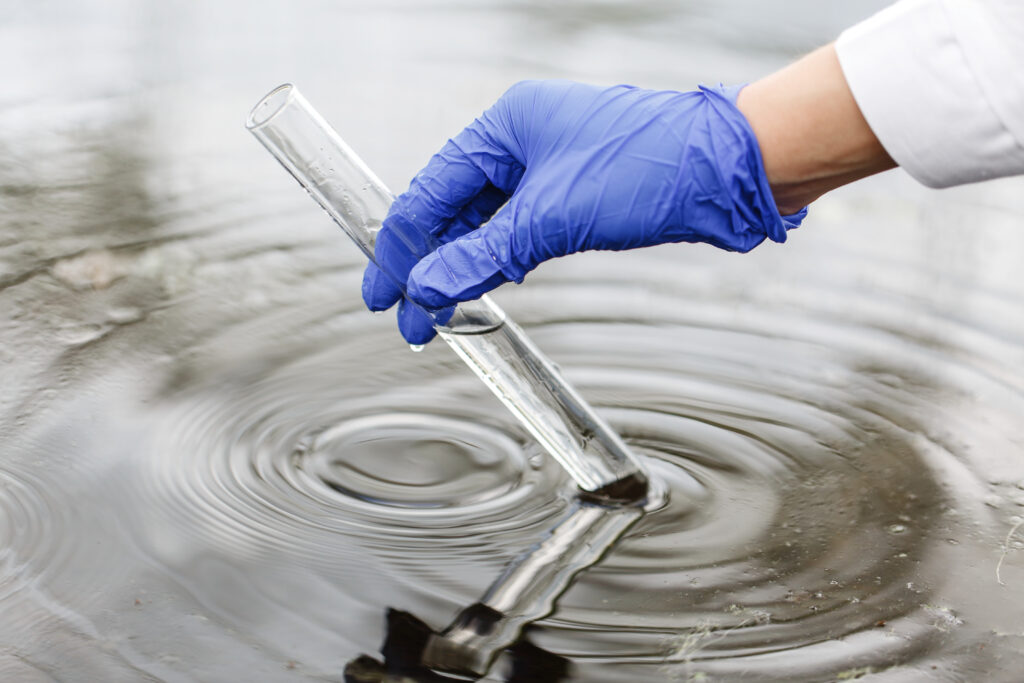
Water Quality Testing for Industries in Tamil Nadu Industries across Tamil Nadu depend on clean and safe water for manufacturing, processing, cooling, cleaning, and product quality. Proper water quality testing for industries in Tamil Nadu is essential to maintain operational efficiency, meet regulatory standards, and protect both consumers and the environment. Analytical Technology Laboratory offers professional industrial water testing services with advanced laboratory facilities, NABL-accredited testing procedures, and expert analysis support for multiple industries including food processing, textiles, agriculture, marine, and environmental sectors. Why Water Quality Testing for Industries Tamil Nadu Is Important Industrial water contamination can directly affect production quality, machinery performance, and environmental compliance. Regular testing helps industries identify harmful contaminants, maintain safety standards, and avoid costly operational failures. Benefits of Industrial Water Testing Ensures compliance with pollution control standards Protects machinery from corrosion and scaling Maintains product consistency and safety Detects microbial and chemical contamination Supports sustainable environmental practices Reduces operational risks and downtime Industries in Tamil Nadu are increasingly focusing on quality assurance and environmental responsibility. This makes water quality testing for industries Tamil Nadu a critical part of industrial operations. Types of Water Testing Services for Industries Industrial Process Water Testing Process water testing helps industries maintain the required quality standards during manufacturing operations. Parameters such as pH, hardness, dissolved solids, alkalinity, and conductivity are carefully analyzed. Wastewater and Effluent Testing Industries must comply with environmental discharge regulations before releasing wastewater into the environment. Effluent testing helps monitor pollutants and maintain compliance with Tamil Nadu Pollution Control Board norms. Drinking Water Quality Testing Safe drinking water is essential for industrial employees and workplace safety. Testing ensures water is free from harmful bacteria, heavy metals, and toxic chemicals. Boiler and Cooling Water Testing Water used in boilers and cooling systems requires regular testing to prevent corrosion, scaling, and efficiency loss. Industries That Need Water Quality Testing in Tamil Nadu Textile Industries Textile manufacturing units require clean water for dyeing, washing, and finishing processes. Water impurities can affect fabric quality and color consistency. Food Processing Industries Food manufacturers require hygienic water to maintain food safety and meet FSSAI regulations. Pharmaceutical Industries Pharmaceutical companies need highly purified water for manufacturing medicines and healthcare products. Agriculture and Aquaculture Agricultural industries depend on water and soil quality testing to improve crop production and maintain environmental safety. Manufacturing Industries Industrial manufacturing plants use water in cooling systems, cleaning processes, and production activities. Why Choose Analytical Technology Laboratory for Water Quality Testing for Industries Tamil Nadu Analytical Technology Laboratory is one of the trusted testing laboratories serving industries across Tamil Nadu with professional analytical services. Key Advantages of Analytical Technology Laboratory NABL-accredited laboratory Advanced testing infrastructure Experienced technical experts Accurate and reliable reports Fast turnaround time Industry-specific testing solutions Compliance-focused analysis Whether you need industrial water analysis, environmental testing, food safety testing, or soil analysis, Analytical Technology Laboratory provides comprehensive laboratory support. Water Quality Parameters Commonly Tested Industries often require testing for: pH Level Total Dissolved Solids (TDS) Hardness Chlorides Sulphates Heavy Metals Biological Oxygen Demand (BOD) Chemical Oxygen Demand (COD) Microbial Contamination Turbidity Regular monitoring helps industries maintain consistent operational quality and environmental compliance. Conclusion Reliable water quality testing for industries Tamil Nadu is essential for operational efficiency, product safety, and environmental responsibility. Industries across sectors depend on professional laboratory testing to meet regulatory requirements and maintain high-quality standards. Analytical Technology Laboratory offers trusted testing solutions for industrial water, environmental samples, food products, and soil analysis through advanced laboratory facilities and expert support. Call Now: 95008 95001 Frequently Asked Questions (FAQs) 1. What is water quality testing for industries in Tamil Nadu? Water quality testing for industries in Tamil Nadu involves analyzing water samples to determine physical, chemical, and microbiological parameters. It helps industries comply with environmental regulations, maintain production quality, and ensure safe water usage. 2. Why is industrial water testing important? Industrial water testing helps identify contaminants, monitor water treatment efficiency, protect equipment from corrosion and scaling, and ensure compliance with regulatory standards set by environmental authorities. 3. Which industries require water quality testing? Industries such as food processing, textiles, pharmaceuticals, manufacturing, agriculture, hospitality, and chemical processing require regular water quality testing to maintain operational efficiency and regulatory compliance. 4. How often should industries test their water quality? The testing frequency depends on industry requirements, water source, and regulatory obligations. Most industries conduct monthly, quarterly, or annual water quality assessments. 5. What parameters are tested in industrial water analysis? Common parameters include pH, Total Dissolved Solids (TDS), hardness, alkalinity, chloride, sulphate, heavy metals, dissolved oxygen, Biological Oxygen Demand (BOD), Chemical Oxygen Demand (COD), and microbiological contamination. Get Enquiry
