How to Choose the Best Animal Feed Testing Laboratory in India?
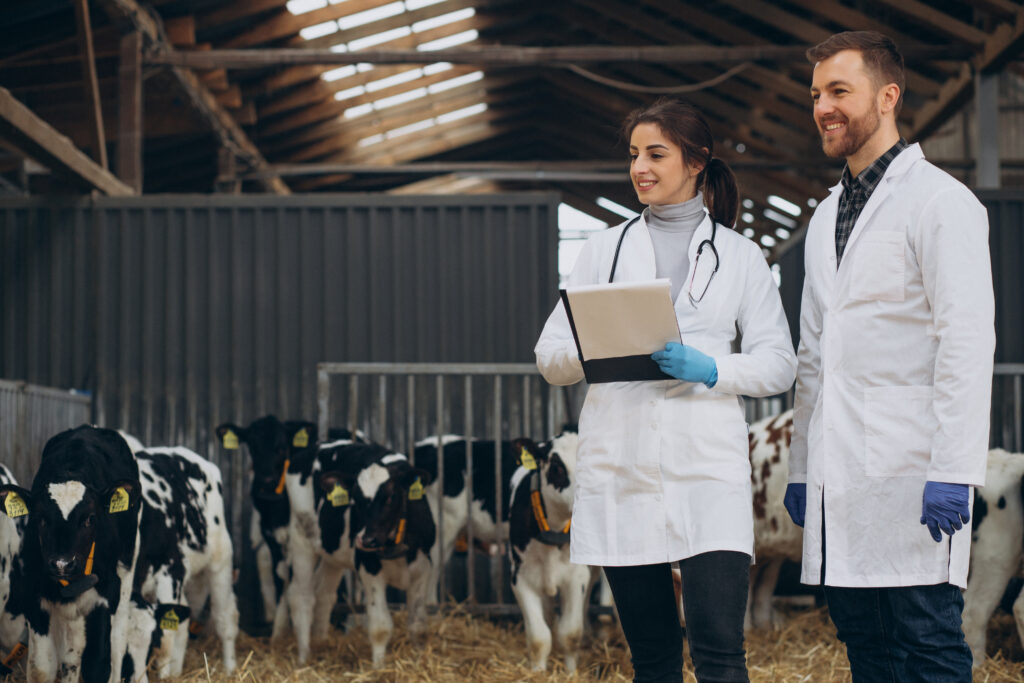
Animal feed quality plays a crucial role in livestock health, productivity, and food safety. Whether you are a feed manufacturer, dairy farm, poultry producer, or exporter, choosing the Best Animal Feed Testing Laboratory in India is essential to ensure feed quality, nutritional value, and regulatory compliance.
Poor-quality feed can lead to reduced animal performance, health issues, contamination risks, and financial losses. This is why professional laboratory testing has become a critical part of modern livestock management and feed manufacturing.
In this guide, we’ll explain how to select the right laboratory and why working with a reliable testing partner can help improve feed quality and business performance.
Why Animal Feed Testing Is Important
Animal feed directly impacts:
- Livestock health
- Milk production
- Meat quality
- Poultry performance
- Feed efficiency
- Farm profitability
Regular testing helps identify nutritional deficiencies, contaminants, toxins, heavy metals, and harmful microorganisms before they affect animal health.
Professional animal feed testing services provide scientific data that helps producers make informed decisions and maintain quality standards.
What Does an Animal Feed Testing Laboratory Do?
An animal feed testing laboratory evaluates feed samples to determine their nutritional composition, safety, and compliance with industry standards.
Typical testing includes:
Nutritional Analysis
- Protein content
- Fat content
- Moisture
- Fibre
- Ash
- Energy values
Microbiological Testing
- Salmonella
- E. coli
- Total Plate Count
- Yeast and Mould
Contaminant Analysis
- Heavy metals
- Mycotoxins
- Pesticide residues
- Chemical contaminants
Quality Verification
- Feed composition validation
- Ingredient verification
- Regulatory compliance testing
Key Factors to Consider When Choosing the Best Animal Feed Testing Laboratory in India
1. NABL Accreditation
One of the most important factors is accreditation.
A NABL accredited feed testing laboratory follows internationally recognized testing standards and quality management systems.
Benefits include:
- Reliable test results
- Standardized procedures
- Better regulatory acceptance
- Higher confidence in reports
Always verify whether the laboratory holds current NABL accreditation for relevant feed testing parameters.
2. Testing Capabilities and Scope
Not all laboratories offer the same services.
Choose a laboratory that provides comprehensive animal feed testing services, including:
- Nutritional analysis
- Mycotoxin testing
- Heavy metal testing
- Microbiological testing
- Pesticide residue analysis
A wider testing scope reduces the need to work with multiple laboratories.
3. Industry Experience
The best laboratories have extensive experience working with:
- Poultry feed manufacturers
- Dairy feed producers
- Aquaculture feed companies
- Livestock feed suppliers
- Exporters
Experienced analysts can provide better technical insights and support.
4. Advanced Laboratory Infrastructure
Modern testing requires sophisticated equipment and analytical techniques.
Look for laboratories equipped with:
- HPLC systems
- GC-MS & LC-MS instruments
- ICP-MS technology
- Advanced microbiology facilities
Modern infrastructure improves accuracy and reliability.
5. Turnaround Time
Fast reporting is essential for production planning and quality control.
Ask about:
- Sample processing time
- Reporting timelines
- Emergency testing availability
Quick turnaround helps reduce delays and operational disruptions.
6. Regulatory Compliance Expertise
The best animal feed testing laboratories help businesses comply with:
- National regulations
- Export requirements
- Industry standards
- Product safety specifications
Compliance support can help avoid product rejections and regulatory issues.
Questions to Ask Before Choosing a Feed Testing Laboratory
Before selecting a laboratory, ask:
Is the laboratory NABL accredited?
Accreditation confirms adherence to quality standards.
What testing services are available?
Ensure the laboratory offers all required feed analyses.
What is the sample turnaround time?
Faster reporting improves decision-making.
Does the laboratory support export testing requirements?
Export-focused businesses should confirm compliance capabilities.
Are technical experts available for consultation?
Expert guidance adds value beyond test reports.
What Feed Quality Problems Can Laboratory Testing Identify?
Animal feed testing helps detect hidden quality and safety issues that may affect livestock health and production.
These include:
- Imbalanced nutrient levels
- Toxic mycotoxins
- Heavy metal contamination
- Microbial contamination
- Poor ingredient consistency
- Unauthorized additives or adulterants
Early identification allows businesses to take corrective action and maintain high-quality feed standards.
Benefits of Working with a Professional Animal Feed Testing Laboratory
Choosing the Best Animal Feed Testing Laboratory in India offers several advantages:
Improved Feed Quality
Scientific testing helps optimize feed formulations.
Better Livestock Performance
Quality feed contributes to healthier animals and improved productivity.
Regulatory Compliance
Testing helps meet industry and export standards.
Risk Reduction
Early identification of contaminants prevents costly issues.
Increased Customer Confidence
Verified feed quality strengthens market credibility.
Why Choose Analytical Technology Laboratory for Animal Feed Testing?
Analytical Technology Laboratory supports feed manufacturers, livestock farms, poultry producers, and exporters with reliable laboratory testing solutions designed to improve feed quality and safety.
Key capabilities include:
- Feed quality evaluation
- Nutritional content verification
- Feed hygiene assessment
- Contaminant and toxin detection
- Safety parameter analysis
- Compliance support services
Our advanced laboratory facilities and experienced technical team deliver accurate results that help businesses maintain product quality and regulatory compliance.
Frequently Asked Questions
What is animal feed testing?
Animal feed testing is the scientific analysis of feed products to evaluate nutritional quality, safety, and compliance.
Why is NABL accreditation important?
A NABL accredited feed testing laboratory follows recognized quality standards and delivers reliable results.
How often should animal feed be tested?
Testing frequency depends on production volume, ingredient changes, and regulatory requirements.
What contaminants are commonly tested in animal feed?
Common contaminants include mycotoxins, heavy metals, pesticide residues, and harmful bacteria.
Who needs livestock feed testing services?
Feed manufacturers, dairy farms, poultry producers, aquaculture businesses, livestock farms, and exporters all benefit from livestock feed testing services.
Conclusion
Selecting the Best Animal Feed Testing Laboratory in India is an important decision that directly impacts feed quality, animal health, productivity, and compliance. By choosing a NABL accredited feed testing laboratory with comprehensive animal feed testing services and technical expertise, businesses can ensure safer feed products and better operational performance.
For professional feed testing support and expert laboratory analysis, contact Analytical Technology Laboratory today.
Call Now: 95008 95001
